Lake Skadar is more than just a lake; it’s a living, breathing marvel of nature that feels like a hidden world waiting to be explored. Stretching over an impressive 500 square kilometres, it holds the title of the largest lake in the Balkan Peninsula, but its true magic lies in the intricate ecosystem that thrives within and around it.
At first glance, Lake Skadar might seem like a gentle giant with its calm, shimmering surface. But beneath those waters lies a fascinating secret. Despite its vastness, the lake’s average depth is only about 5 meters, a reminder of its ancient formation by powerful tectonic forces. Classified as a cryptodepression, parts of the lake actually dip below sea level, adding an air of mystery to its origins.
The lake’s most captivating feature lies deep below: a hidden network of underwater rivers known as “eyes”. These subaquatic currents rise from depths of over 60 meters, carving their way through rocky terrain before bursting into whirlpools at the surface. It’s like watching nature’s own hidden springs come to life, creating unique habitats that support a wide variety of aquatic species. These swirling waters are part of what makes Lake Skadar so enigmatic and unlike any other.

Head to the northern shores, and you’ll find yourself immersed in the lush expanse of marsh vegetation that stretches across more than 20,000 hectares. Picture a sea of tall reeds, floating water lilies, and vibrant green grasses that sway gently with the breeze.
These wetlands aren’t just beautiful, they’re bustling with life. They serve as a sanctuary for countless species of insects, birds, reptiles, and fish, making this one of the most biodiverse areas around the lake. It’s like stepping into a living, breathing nature documentary.
Lake Skadar isn’t just a still body of water; it’s a dynamic system, constantly shaped by the rivers that flow into and out of it. The Morača River is the lake’s main lifeline, feeding it with fresh water, while smaller tributaries like the Crnojevića, Gostiljska, and Crmnica Rivers also play their part. On the other end, the Bojana River takes water from the lake and carries it toward the Adriatic Sea, winding its way past the ancient Albanian town of Skadar.
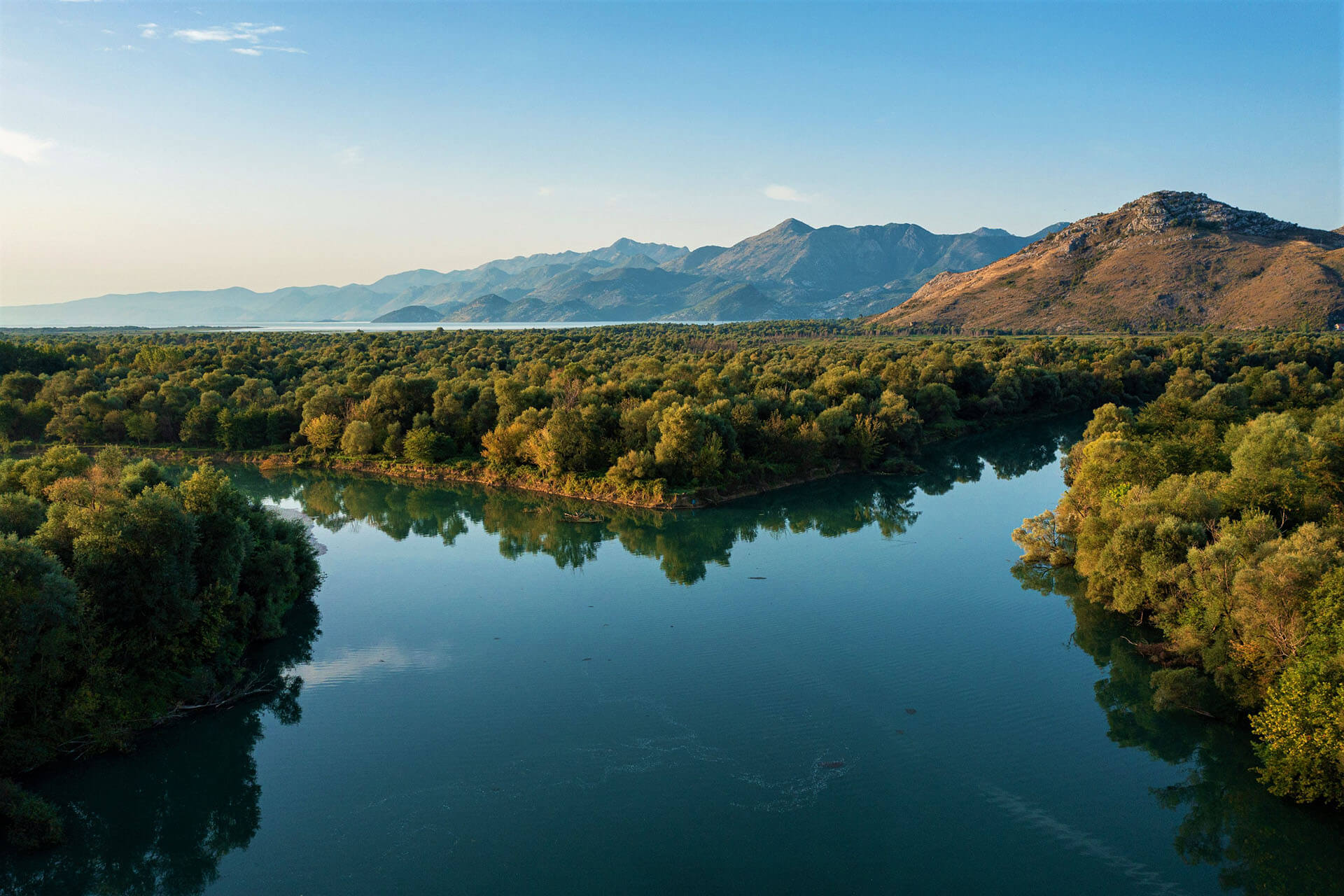
This intricate web of rivers doesn’t just feed the lake; it keeps its delicate balance in check. But even this balance is subject to change. Over the years, the lake has transformed. Sediments carried by mountain rivers and shifts in river courses have reshaped the landscape, especially with the diversion of Albania’s Drim River, which has altered the Bojana’s flow. During winter, willow trees that grow along the lake’s shores further influence water levels, adding to the dynamic nature of this incredible ecosystem.
Lake Skadar isn’t static; it’s alive, constantly evolving. As water levels rise and fall and vegetation spreads, the landscape shifts with the seasons and the years. This constant transformation only adds to its charm, making every visit feel like a discovery. It’s no wonder this lake is considered one of the Balkans’ greatest treasures.
Perched at the crossroads of major zoogeographic regions, Lake Skadar is a rare and remarkable habitat where Mediterranean and North African influences blend seamlessly. The surrounding landscape is alive with sub-Mediterranean fauna, interwoven with distinct continental traits, making this ecological haven a true biodiversity hotspot.
If you’re a fan of feathered wildlife, Lake Skadar is nothing short of heaven. With over 280 bird species calling the lake home, it’s no wonder it’s become a dream destination for avian enthusiasts. Since 1995, the lake has been protected as a Wetland of International Importance under the Ramsar Convention, a testament to its critical role as a bird sanctuary. And there’s more, BirdLife International has designated it as an Important Bird Area (IBA), recognising it as a vital link between African bird populations and migratory species from as far away as West Siberia. It’s like a bustling airport for birds, connecting different corners of the world!
The birdlife at Lake Skadar is as diverse as it is abundant. From nesting species that build their homes among the reeds, to year-round residents, wintering waterfowl, and flocks of migratory travellers, the lake is a lifeline for countless feathered creatures. It serves as a key stopover along ancient migratory routes, offering food and shelter to birds on their long journeys. During the chilly winter months, the lake becomes a refuge for waterfowl, gathering them in impressive numbers.

Among the lake’s most iconic residents are the majestic Dalmatian pelican, with its enormous wingspan and striking looks, and the small but striking pygmy cormorant. These species highlight the lake’s importance not only for migratory visitors but also for the birds that rely on its resources year-round.
Nestled within Lake Skadar’s national park are three remarkable ornithological reserves, Pančevo oko, Manastirska tapija, and Crni žar, each offering a haven for a dazzling variety of birdlife. These marshlands are nothing short of magical, with their lush meadows of white and yellow water lilies painting the landscape, dense stands of reeds and sedges swaying gently in the breeze, and vast willow woodlands providing shade and shelter. In some corners, thick, impenetrable forests give way to floating islands, where majestic pelicans find the perfect spots to nest.
The willows here are more than just trees; they’re lifelines for countless birds, serving as prime nesting sites. If you take a closer look, you might spot cormorants perched in their branches or white herons standing gracefully nearby. Squacco herons and grey herons add splashes of colour and elegance, while little grebes and ferruginous ducks paddle quietly through the calm waters. Crested grebes, with their striking plumage, and coots, with their distinctive white foreheads, complete this vibrant community.

This rich symphony of birdlife is a testament to Lake Skadar’s critical role as one of Europe’s most vital bird habitats. From the intricate web of nesting sites in the willows to the floating islands that host some of the region’s most iconic species, the reserves within the national park showcase the lake’s extraordinary biodiversity. It’s a living sanctuary, a place where nature thrives, and birds find both refuge and a home.
The Dalmatian pelican, the largest of all pelican species, is more than just a bird; it’s the proud symbol of Lake Skadar. With its massive wingspan stretching an impressive two meters, it glides effortlessly over the lake’s waters, commanding attention with every beat of its wings. What truly sets this majestic creature apart is its formidable beak, complete with a large, elastic pouch, a perfect tool for feeding its young and scooping up fish with remarkable ease.
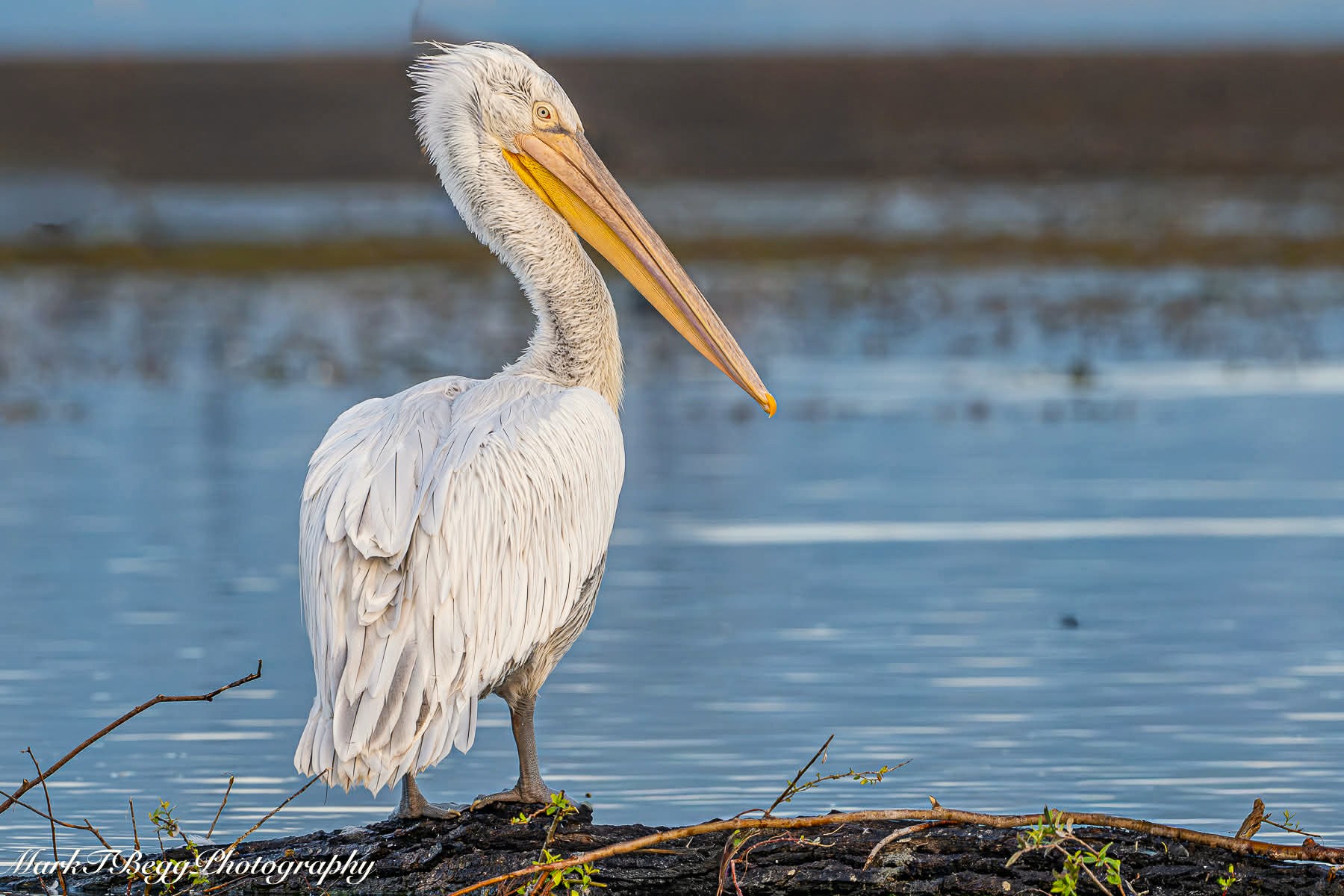
Despite its grand size and graceful movements, the Dalmatian pelican has an intriguing quirk: its body is filled with air, making it surprisingly buoyant. This natural design limits its diving abilities, so you’ll often find it fishing in the shallows or teaming up with more adept divers in deeper waters, a fascinating example of cooperation in the wild.
During the breeding season, these pelicans become even more striking. Their snowy white plumage contrasts beautifully with the vibrant orange hue of their pouch, a feature that makes them impossible to miss as they gather on the tranquil waters of Lake Skadar.
The ornithological reserve of Pančevo oko is their exclusive nesting haven. Here, pairs of pelicans construct their nests on floating moss islands, known locally as arbunos. These unique and delicate platforms provide the perfect stage for their annual mating rituals, a celebration of life that adds even more charm to the lake’s breathtaking scenery.
Lake Skadar, with its invitingly warm and shallow waters, is a vibrant underwater world teeming with life. This lively lake plays host to a fascinating variety of fish species, each one a testament to the unique ecological character of the region.
Imagine the gentle ripple of the water as schools of fish dart beneath the surface, creating a bustling aquatic community that supports both the local people and those looking for a bit of fun with a fishing rod.
What’s truly remarkable is the diversity you’ll find here, around 50 different fish species, some calling the lake home year-round, while others visit from time to time. This rich tapestry of life not only sustains traditional fishing practices but also offers exciting opportunities for recreational anglers eager to cast their lines into these bountiful waters.
Beneath the shimmering surface of Lake Skadar, you can notice the carp family reigning supreme. Among them, Cyprinus carpio stands out as the true heavyweight champion, dominating the lake’s fish population with its impressive presence. These carp aren’t just any fish; they’re local legends, known for growing to astonishing sizes, sometimes tipping the scales at a hefty 20 kilograms, and on rare occasions, even surpassing 30! Though their numbers have dipped over time due to overfishing, carp remain a beloved staple of the local cuisine, proudly featured on many restaurant menus around the lake.
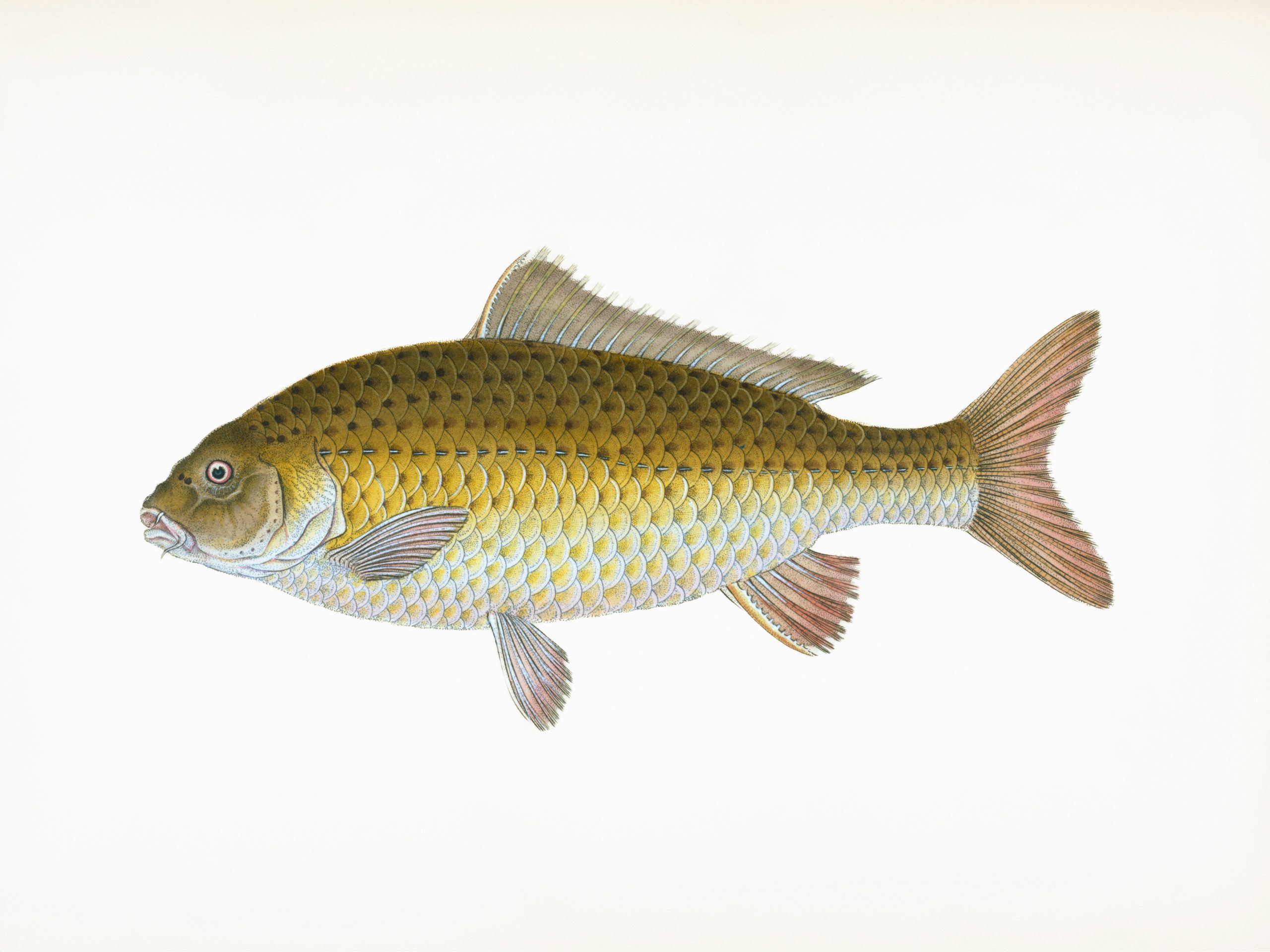
But carp aren’t the only fish swimming here. Rudd, roach, and common chub are also frequent visitors in Lake Skadar’s waters. While they’re perfectly edible, they don’t quite match the carp’s culinary fame. Their flavour and quality tend to be a bit more modest, which means you’re less likely to see them stealing the spotlight in the local eateries.
One of Lake Skadar’s most fascinating residents is the bleak, or as the locals call it, the sweet water sardela. This little fish leads a life full of adventure, with a migration cycle that’s truly one of a kind. During the hot summer months, the bleaks leave the lake and journey all the way to the ocean, only to return in the autumn, gathering in large numbers around the lake’s freshwater sources. Their delicate, delicious flavour has made them highly sought after, inspiring the creation of specialised fishing techniques using nets called griba.
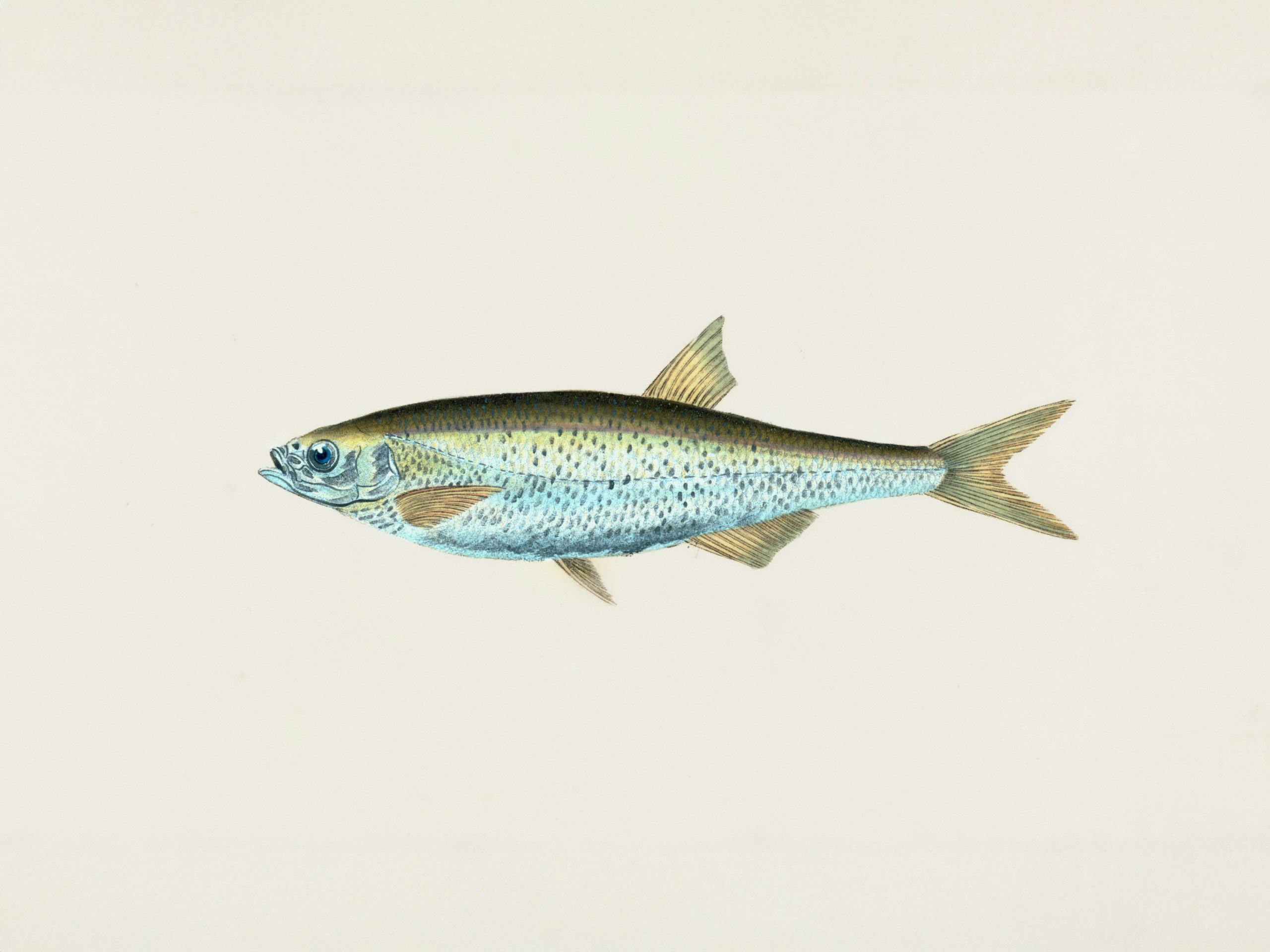
Two other fish species, the common nase and the Mediterranean shad, have become rarer sights in the lake’s waters, though there’s been a glimmer of hope for the Mediterranean shad, with reports of its numbers starting to rebound.
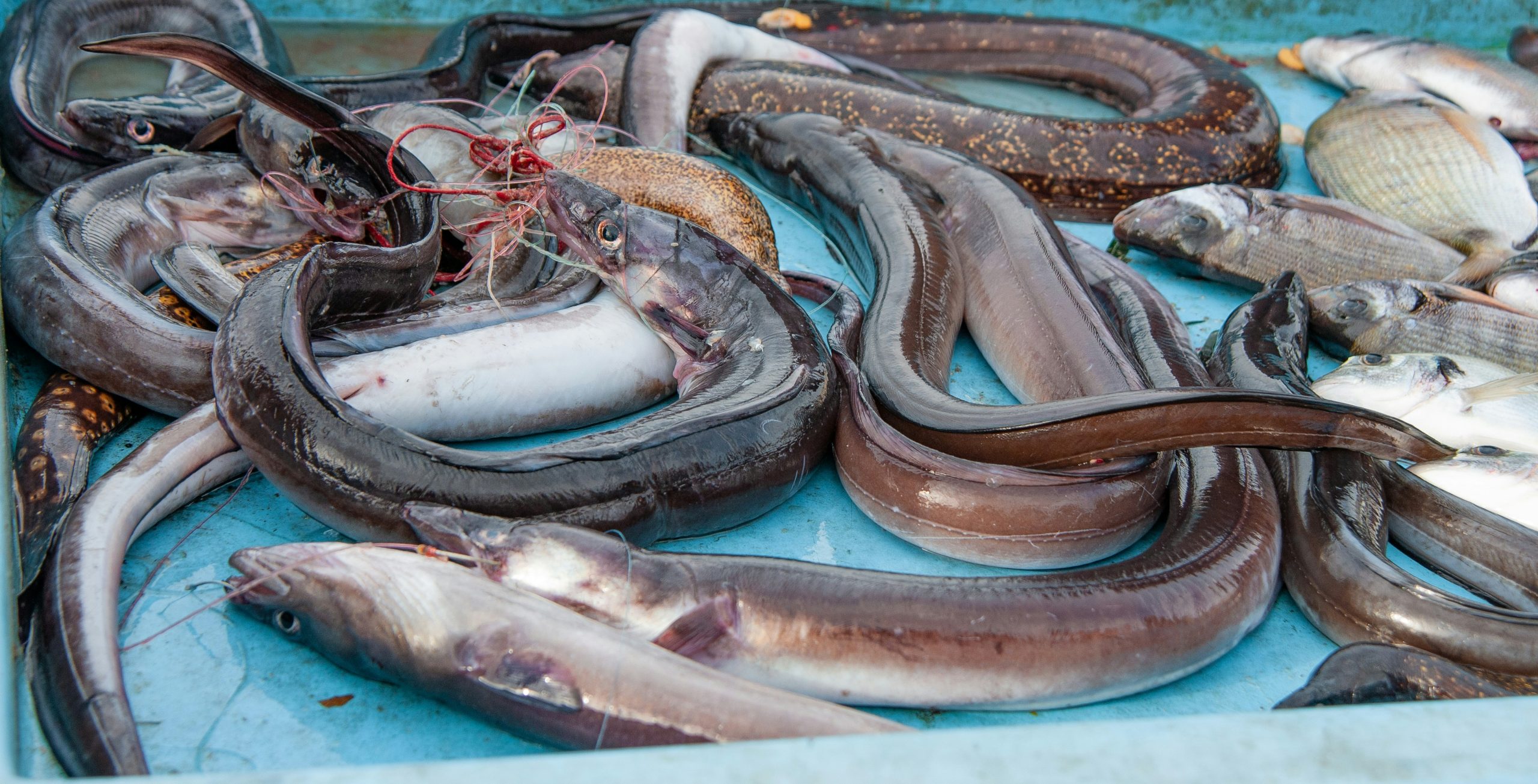
And then there’s the eel, one of the lake’s most intriguing inhabitants. This snakelike fish has an extraordinary life story. While it spends much of its life in European waters, it travels all the way to the distant Sargasso Sea to spawn, an epic journey that’s nothing short of remarkable. Though eels are not as abundant as they once were, they remain a treasured delicacy in Montenegrin cuisine, often featured on restaurant menus.
Lake Skadar used to be a haven for various trout species, each with its own fascinating story. Among the most impressive was the mighty brown trout, famous not only for its beauty but also for its remarkable size; some individuals could grow up to a staggering 20 kilograms!
Sharing the waters was the marble trout, an endemic treasure originating from the tributaries of the Adriatic Sea, its marbled patterns making it a true gem of the lake. And let’s not forget the Dentex trout, a fierce and distinctive fish named after its sharp teeth. This aggressive predator would migrate from the Morača River into the lake, making it a favourite target for sports fishermen eager for a challenge.
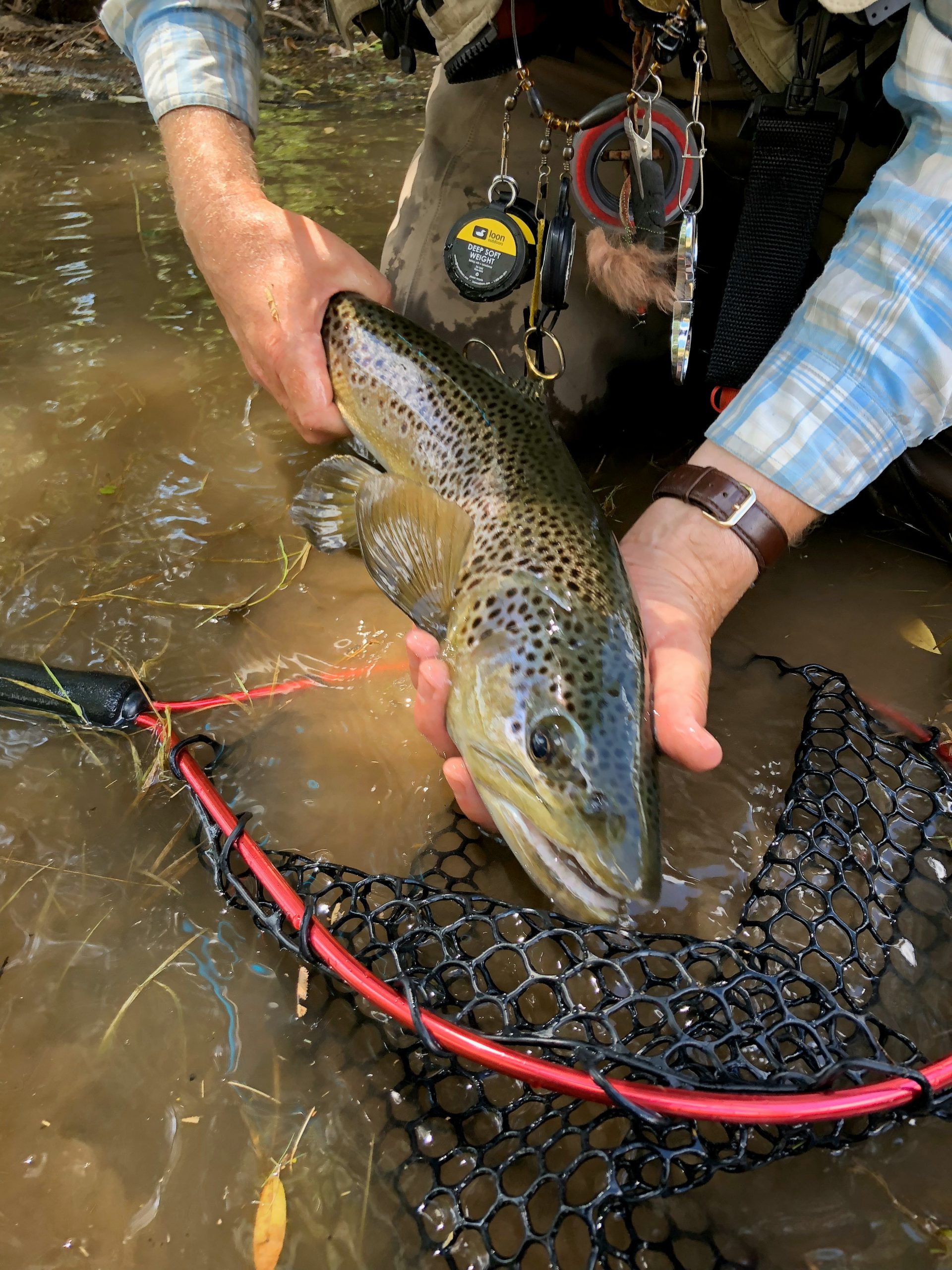
But over the years, the lake’s ecosystem has shifted. One of the biggest changes came with the introduction of the California trout. Initially raised in nurseries, this less celebrated species managed to escape and quickly adapt to the lake’s tributaries. While it has added to the diversity of the lake’s fish population, its presence has undoubtedly altered the delicate balance of the ecosystem.
If you ever had the chance to see the Adriatic sturgeon gliding through the waters of Lake Skadar, you’d understand why it was once so highly prized. This ancient, almost prehistoric-looking fish was celebrated not only for its impressive size but also for its rich, flavorful taste.
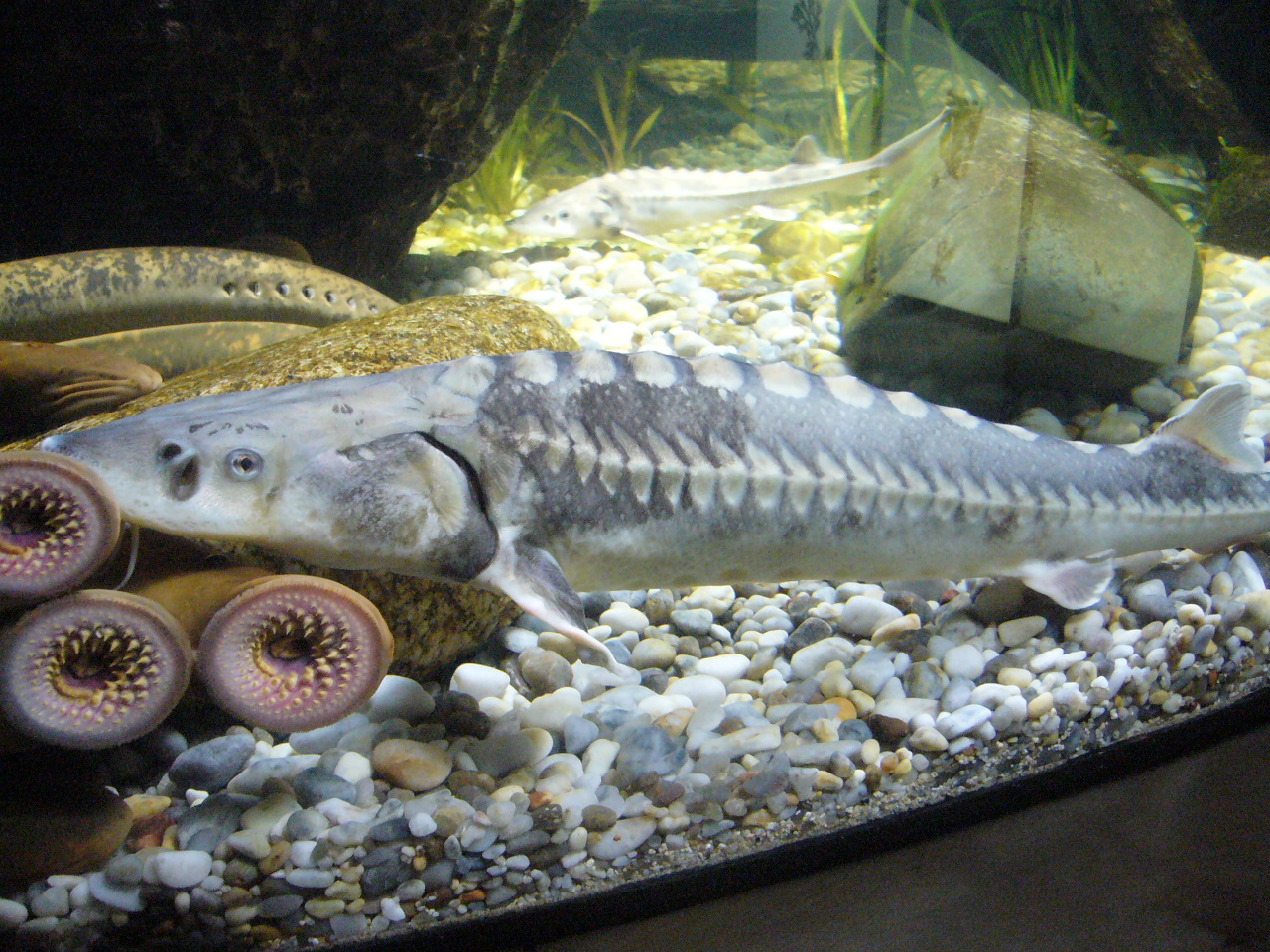
However, these days, spotting one is a rare and bittersweet experience.
The decline of the Adriatic sturgeon is closely tied to human impact. The construction of barriers along the Bojana River has disrupted its natural migration routes, cutting off access to critical breeding grounds. Without the ability to complete its life cycle, the population has dwindled dramatically, pushing this once-thriving species to the brink of extinction.
Even with the challenges some species face, Lake Skadar remains a vibrant haven for a fascinating variety of fish. Picture the sleek black mullet darting through the waters, or the European sea bass patrolling the lake’s depths with its silvery sheen catching the light. And don’t forget the lake’s unique flatfish, like the leaf fish, blending perfectly with their surroundings, and the mysterious sea lamprey, with its ancient, almost otherworldly appearance.
These fish might not be as rare or endangered as the Adriatic sturgeon, but they’re absolutely vital to the lake’s delicate ecosystem. Each one plays its part in maintaining the rich biodiversity that makes Lake Skadar such a special place. Watching them thrive is a reminder of the incredible natural balance at work, even amid the ongoing challenges.
Lake Skadar’s reptilian residents are some of its most fascinating inhabitants, each playing an important role in the delicate balance of the ecosystem. Among the reeds and water lilies, you’ll find a remarkable variety of snakes, turtles, and lizards, including rare and endemic species that make this area even more special.
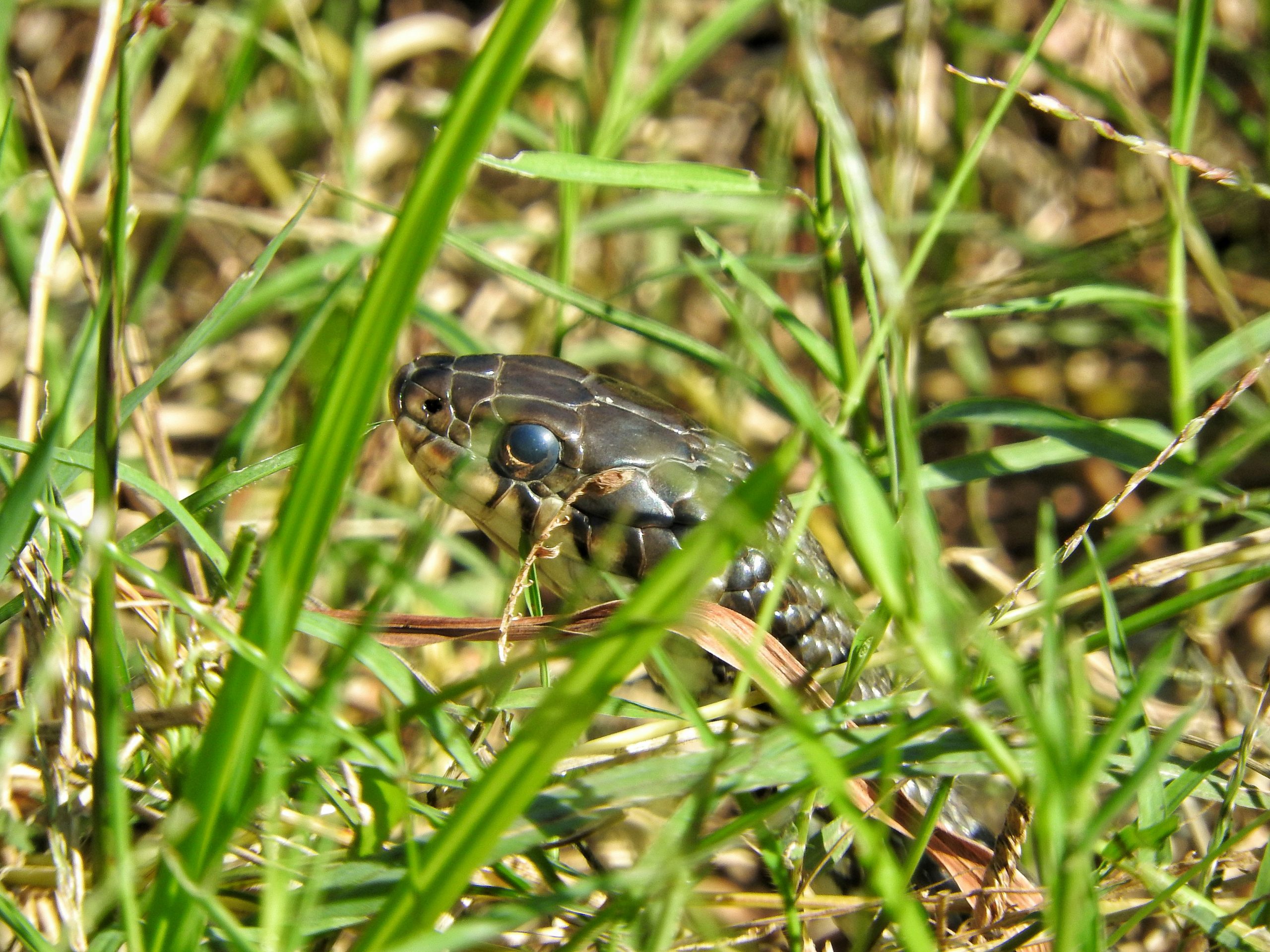
One of the most frequently spotted creatures is the European grass snake, or Natrix natrix. Growing up to an impressive 1.5 meters long, these sleek swimmers are a common sight in the early spring months as they gracefully weave through the lake’s water lilies. Their agility in the water is matched by their skill as hunters; they feast on frogs, fish, and even bird eggs, making them an essential part of the lake’s food chain.
The rare marsh turtles, on the other hand, prefer the quieter areas around the lake. While they’re shy and typically harmless, you’d be wise to keep your fingers clear; these little reptiles have quite a bite! And if you venture to the lake’s larger islands, you might encounter the Hermann’s tortoise, a charming forest turtle that’s easily recognisable by its domed shell and golden-brown markings.
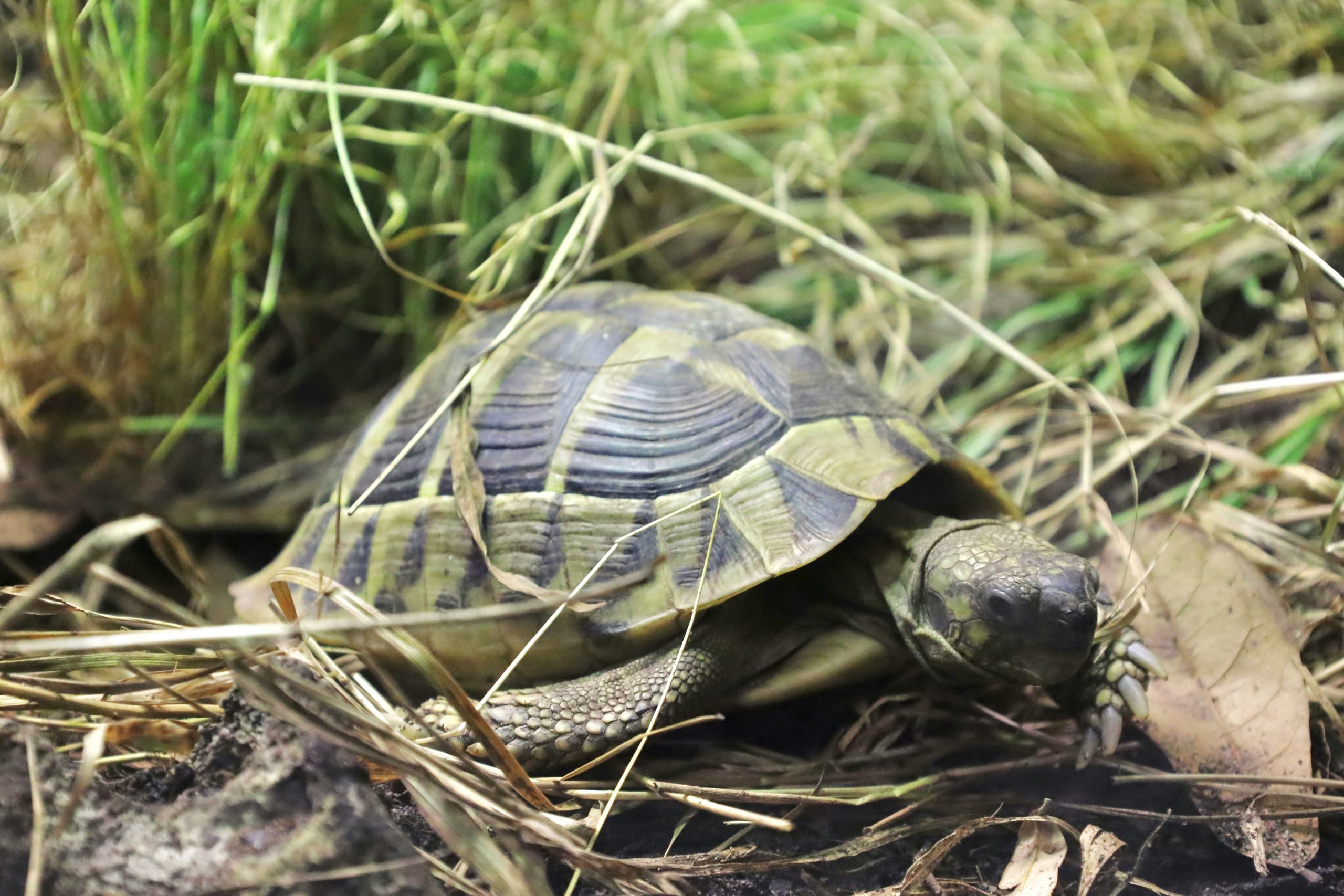
Together, this diverse group of reptiles adds both beauty and balance to Lake Skadar’s unique ecosystem, making it a haven not just for birds and fish, but for these cold-blooded wonders as well!
The lizards of Lake Skadar are a diverse and fascinating bunch, each species perfectly at home in its own little corner of this stunning landscape. With countless islands and habitats scattered throughout the Krajinski archipelago, these quick, sun-loving reptiles have made themselves at home in some truly unique spots.
One of the most widespread residents is the Balkan lizard, a charmingly petite species you’ll find darting across the islands. What’s especially interesting about them is that each island has its own distinct population, almost like nature’s version of a family reunion, with each group sporting its own subtle traits.
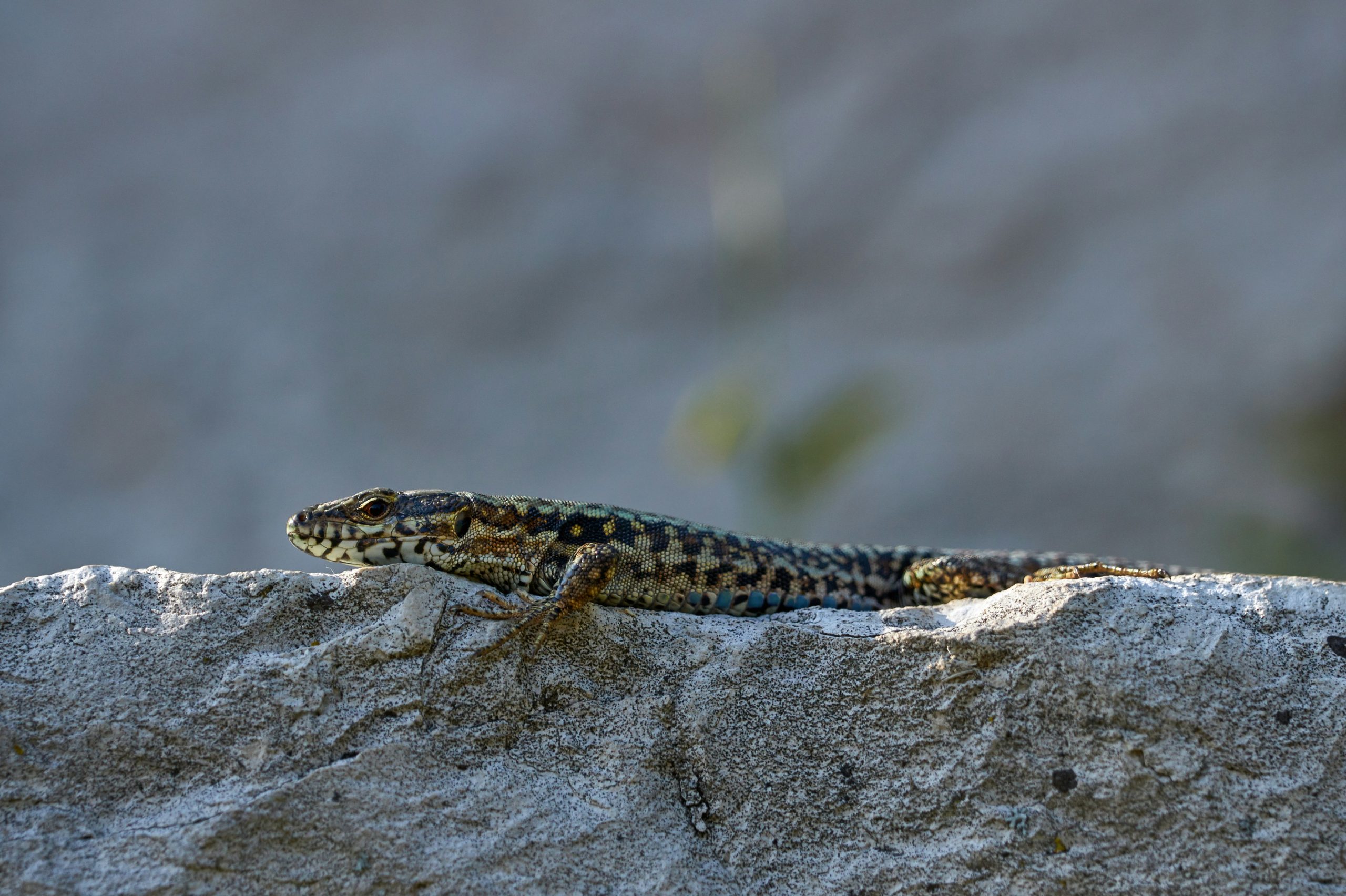
Then there’s the wall lizard, which has claimed an especially intriguing home, the abandoned fortress of Grmožur. Imagine these nimble creatures scaling the ancient stone walls, basking in the sun where history and nature meet. It’s a scene straight out of a storybook!
Over on the northeast island of Bisag, you’ll find the Mediterranean lizard, known as the Dalmatian Algyroides. This species is particularly striking, with its sleek body and vibrant tones perfectly suited to the rocky outcrops and warm sun of its island paradise.
Lake Skadar isn’t just a haven for small lizards; it’s also home to some truly impressive larger species. Take the Balkan green lizard, for example, a striking reptile with vibrant emerald scales that shimmer in the sunlight, making it impossible to miss as it darts through the undergrowth.
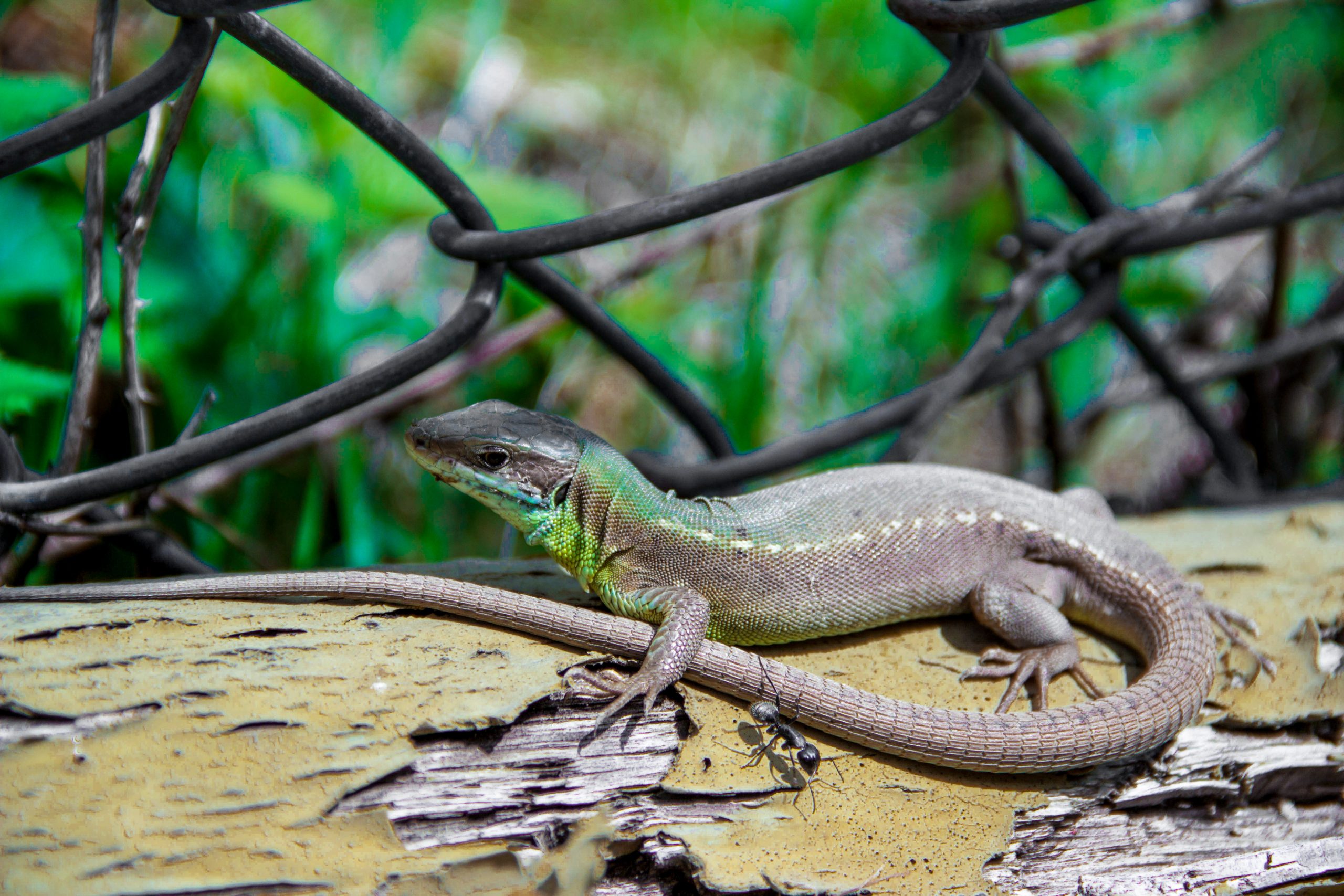
Then there’s the European legless lizard, known for its sleek, snake-like appearance, and the Slow worm, a smooth, almost metallic-looking lizard that glides gracefully across the ground. These fascinating creatures may resemble snakes at first glance, but don’t be fooled! They’re completely harmless and play an important role in keeping the ecosystem balanced. Unfortunately, their resemblance does stir up unnecessary fear among locals and visitors, often leading to misunderstandings about their true nature.
Thanks to Lake Skadar’s ideal geographical location and mild climate, the area boasts an incredibly rich herpetofauna, including several endangered endemic species. These reptiles, some found nowhere else in the world, are a reminder of how unique and fragile this region’s biodiversity truly is.
Lake Skadar is a treasure trove of biodiversity, and its diverse environments make it a vital sanctuary for countless amphibian species. From its tranquil water fields to the shadowy wet woodlands and meandering streams, the lake offers the perfect conditions for these fascinating creatures to thrive. It’s no wonder Lake Skadar is considered a true hotspot for amphibian diversity.
One of the most notable residents here is the green frog, with the Rana shqiperica species being particularly abundant in the region. These lively little amphibians are right at home in the lake’s lush surroundings, and if you listen closely, you might even hear their distinctive calls ringing out from the reeds. Their vibrant green colouring and occasional brown markings allow them to blend seamlessly into their watery habitats, making them both elusive and enchanting to spot.
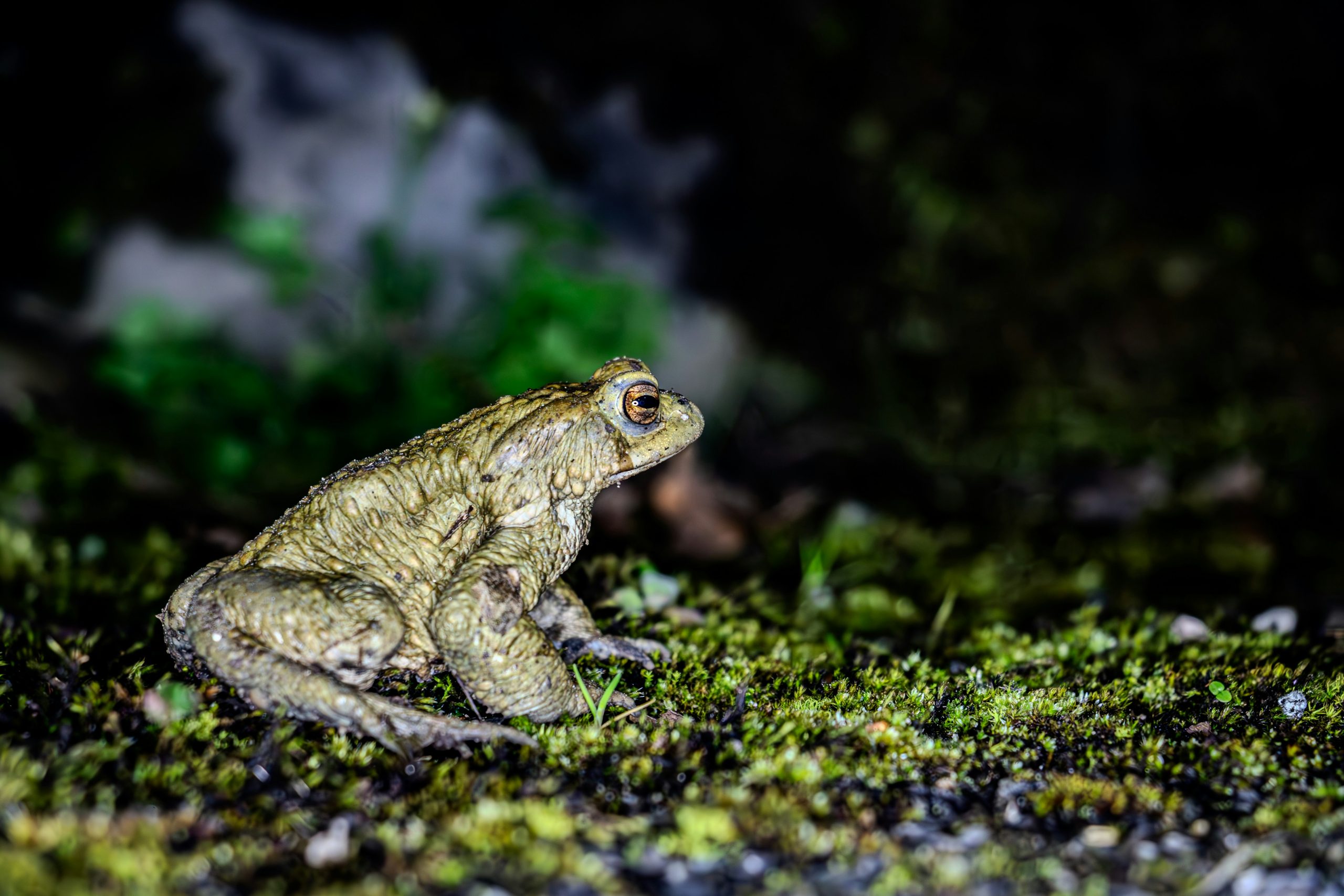
Adding to the lake’s amphibian richness is the common toad, a larger and sturdier species. With its warty skin and earthy tones, it’s a master of camouflage as it hops around the damp undergrowth or rests near the cool edges of brooks and streams. Despite their modest appearance, common toads play a vital role in controlling insect populations, proving just how valuable these amphibians are to the lake's ecosystem.
Lake Skadar isn’t just a haven for amphibians; it’s also teeming with fascinating insects, each playing a crucial role in keeping this ecosystem thriving. From the forest edges to the open meadows, you’ll find a world alive with fluttering wings, busy workers, and beetles that look like they’ve stepped out of a nature documentary. These protected insect species are part of what makes Lake Skadar such an ecologically important site.
Take the southern wood ant, for instance. These tiny powerhouses are nature’s cleanup crew, tirelessly scavenging and recycling organic matter. Watch them closely, and you’ll see their incredible teamwork as they march in organised lines, carrying food back to their massive underground colonies. They’re a perfect example of efficiency in action, and without them, the forest floors would look very different.
Then there’s the stag beetle, a true showstopper. With its glossy black body and impressive antler-like mandibles, the stag beetle looks almost prehistoric. These gentle giants are decomposers, spending much of their lives breaking down decaying wood and returning nutrients to the soil, a vital service that keeps the lake’s forests healthy.
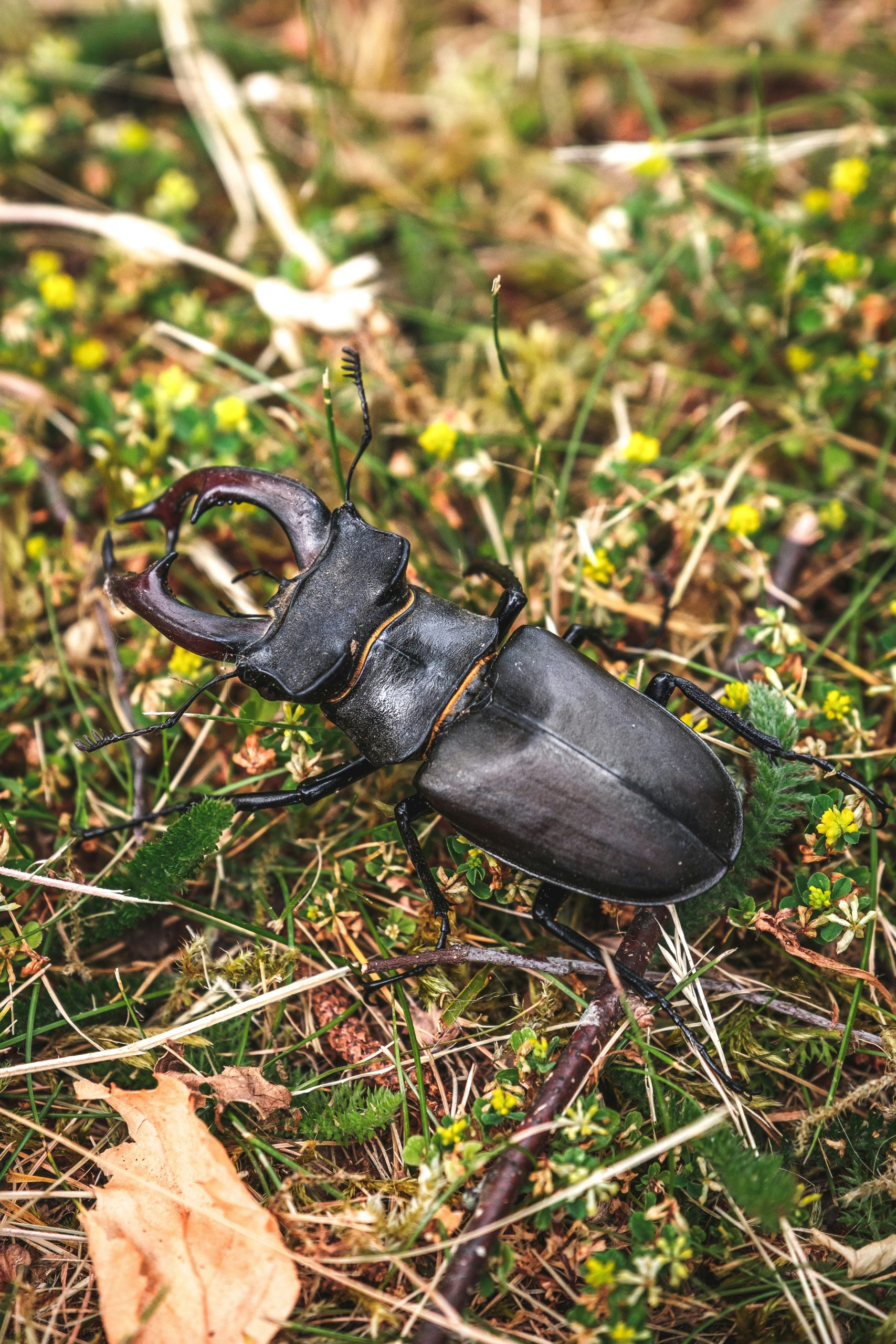
Another striking member of this community is the horn bug, an equally fascinating beetle with a robust, armour-like appearance. Like the stag beetle, it plays a key role in decomposition, transforming dead plant material into rich soil that supports new life.
And of course, who could miss the swallowtail butterfly? With its delicate, powdery wings painted in shades of yellow and black, it’s a fluttering jewel of the lake’s landscapes. Not only are they beautiful to watch as they dance from flower to flower, but they’re also indispensable pollinators, helping the lake’s flora flourish.
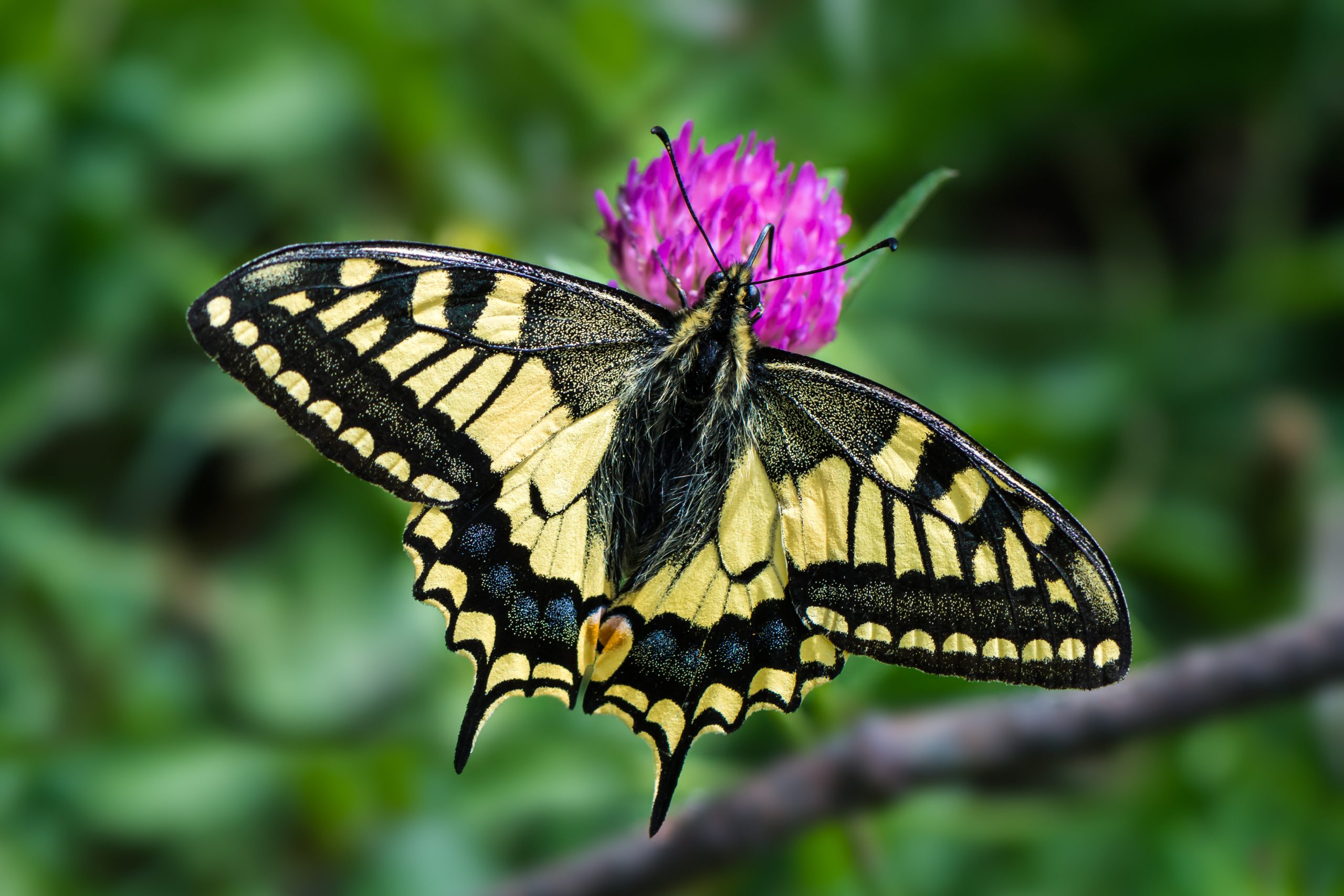
Together, these insects contribute to pollination, decomposition, and nutrient cycling, processes that are essential for maintaining the balance of Lake Skadar’s ecosystem.
If you’re a plant lover, Lake Skadar is an absolute paradise waiting to be explored. The northern coast, in particular, is covered in lush marsh vegetation that carpets the landscape in vibrant greens. As you wander along the water’s edge, you’ll catch the gentle, soothing scent of grasses and wild plants mingling in the air, a natural perfume that instantly refreshes the spirit.
Floating gracefully on the lake’s surface, water lilies add splashes of delicate colour. Their blossoms bloom in soft whites and sunny yellows, each flower a little masterpiece resting atop the water. But it’s their iconic heart-shaped leaves, spread wide like nature’s own lily pads, that truly capture your eye, creating a beautiful mosaic that dances with the ripples.

And if you dive a little deeper, you might discover the hidden treasure of the lake, the delicious water chestnuts, or Trapa natans. These fascinating plants root themselves beneath the surface, their spiky fruits waiting to be harvested. They’re not just a treat for the taste buds but also a unique part of Lake Skadar’s vibrant aquatic world.

As you explore the northern bays of Lake Skadar, you’ll notice the tall, swaying reeds and rushes that edge the water like nature’s own fence. These plants have been more than just scenery for the locals; they’ve long been the raw materials for crafting everything from baskets to mats, weaving human tradition into the landscape.
Keep an eye out for the graceful marsh willows, too. These slender trees are like the lake’s natural alarm clock, signalling the arrival of spring. When their branches start to dance in the breeze, it’s a sure sign that migration season is underway and bird romance rituals are blossoming, a true celebration of life and renewal.

Down at the Morača delta, the scene changes a bit. Here, willows thrive right within the emerald-green waters, their roots submerged and tangled in a watery embrace. This lush, thriving habitat feels a bit like a miniature mangrove forest, bustling with life. It’s a vital sanctuary where fish dart through the shadows, birds find safe nesting spots, and reptiles bask in the sun. The willows here aren’t just trees; they’re the heart of a vibrant, interconnected ecosystem that pulses with energy and life.
As you wander through the lower zones of the southern coast of Lake Skadar, you’ll find yourself surrounded by thriving olive and mulberry trees, deeply rooted in the region’s history and traditions. The mulberry, in particular, has an intriguing past; its leaves once fed silk-producing worms, whose silk threads were woven into fishing nets, blending nature’s bounty with human ingenuity.

The lake’s surroundings are a treasure trove of botanical wonders. Keep your eyes peeled for rare and beautiful plants like the delicate Ramonda serbica, the striking Moltkea petraea, the elegant European fritillaria, and the vibrant wild tulips. Each species adds its own splash of colour and character to this rich and diverse landscape.
Step onto any of the lake’s islands, and you’ll be greeted by a heavenly aroma, a sweet, earthy blend of wild figs and pomegranates ripening in the sun. Meanwhile, the rocky southern coasts are alive with healthy, fragrant plants like wormwood and sage, thriving in the rugged terrain and adding a wild charm to the air.
In the enchanting delta of the Morača River, a place locals call Manastirska tapija, you’re surrounded by breathtaking willow woods, where towering Salix fragilis trees reign supreme. These majestic giants stretch up to about 20 meters tall, their vibrant crowns bursting with lively green leaves. Their flexible branches sway gently in the breeze, creating perfect cosy nests for a variety of birds that call this sanctuary home.
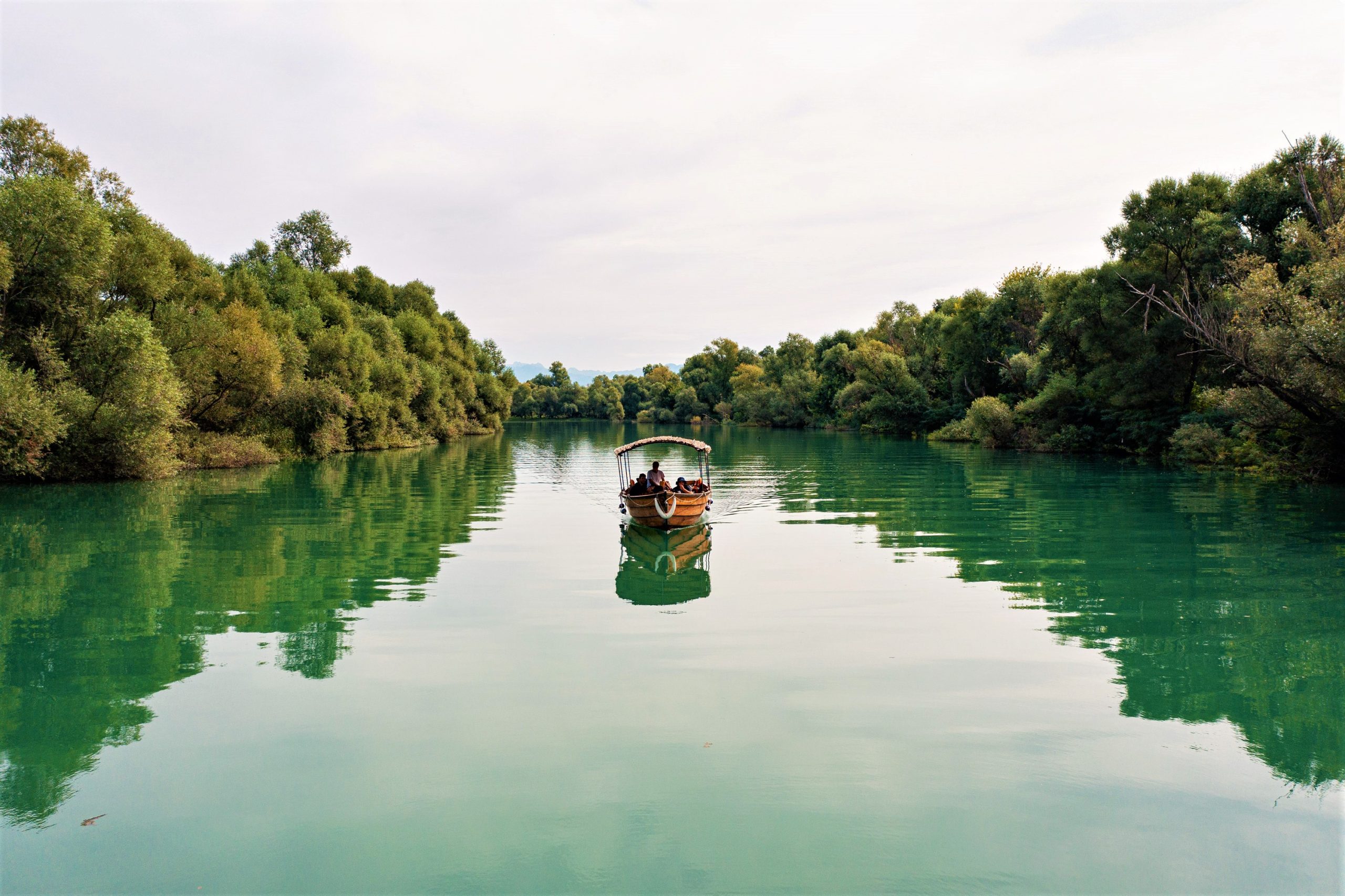
If you take a closer look at the younger trees, you’ll notice their bark is a fascinating mix of soft grey and green shades, marked by unique cracks that tell the story of their growth.
The kasaronja quietly floats across the tranquil waters of Lake Skadar, its long underwater stalk stretching down nearly two meters like a hidden anchor beneath the surface. This unique aquatic plant catches the eye not just for its graceful presence but for its intriguing fruit.
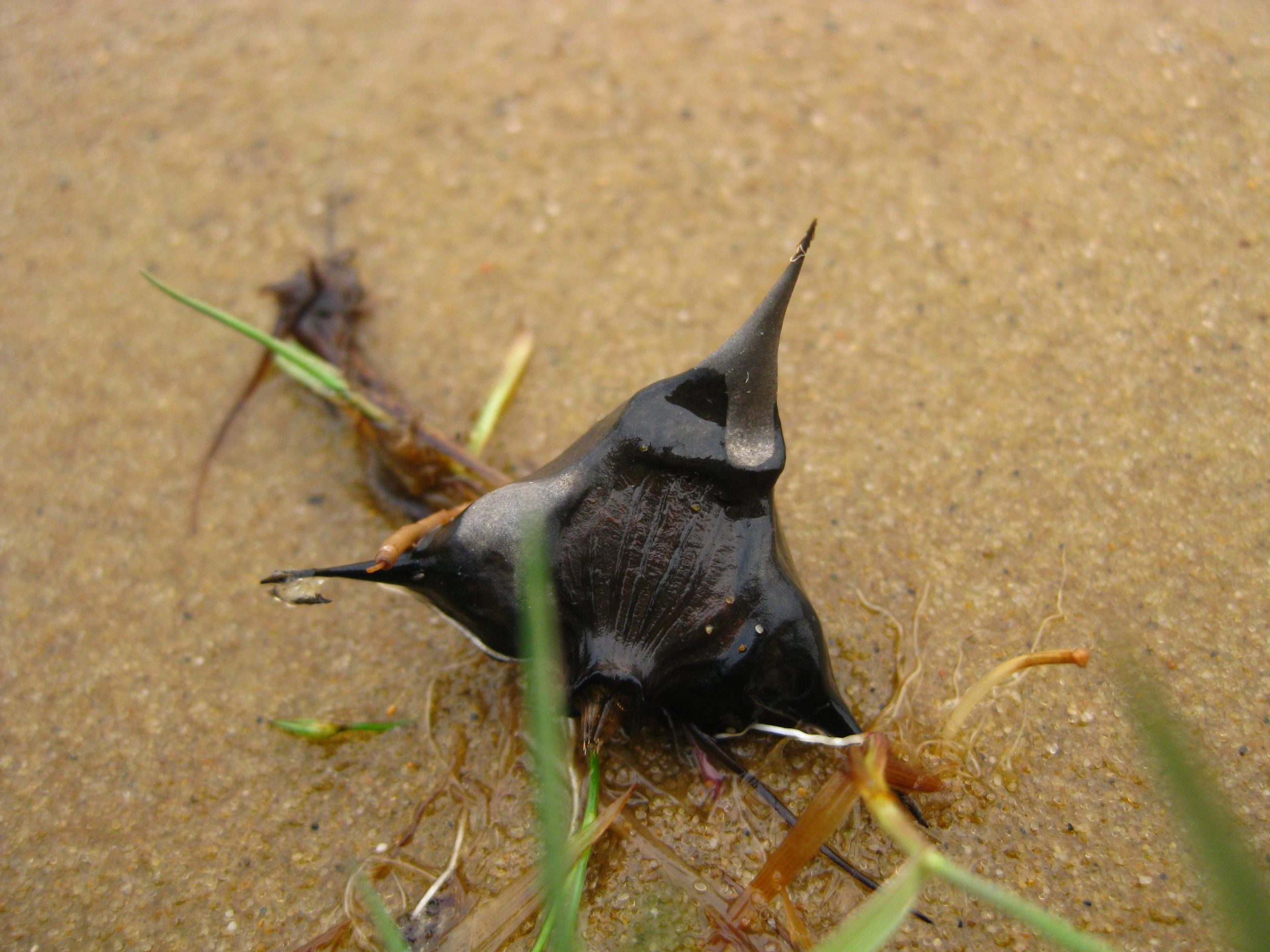
At first glance, the kasaronja’s fruit looks rugged and oddly shaped, wrapped in a tough, sturdy peel that many visitors love to take home as a special keepsake. But if you crack through that resilient exterior, you’ll discover a treasure inside, the edible fruit that holds a rich history. Traditionally, locals have used it to make bread, tapping into its nourishing qualities.
Despite living in the water, the kasaronja only bears fruit when the rains are generous, making each harvest feel like a gift from nature. The fruit itself is packed with starch and nutrients, boasting a sweet, chestnut-like flavour that’s a delight whether eaten raw, cooked, or baked. It’s a perfect taste of the lake’s bounty, connecting you to a tradition that’s as old as the waters themselves.
The Skadar oak is another one of Lake Skadar’s botanical treasures. This special oak isn’t just any tree; it’s a unique subspecies that calls the lake’s shores its exclusive home. If you wander through the lush landscapes near Crmnica’s fields or stroll along the banks of the Gostiljska River, you might just spot these majestic trees standing proud. Their presence is a living reminder of the lake’s rich natural heritage, quietly rooted in the very soil that shapes this stunning region.
Perched above the village of Murići, there’s an extraordinary little plant that seems almost magical, the Serbian Ramondia. This fascinating species is endemic to the region and thrives in the rugged, rocky terrain that surrounds Lake Skadar.
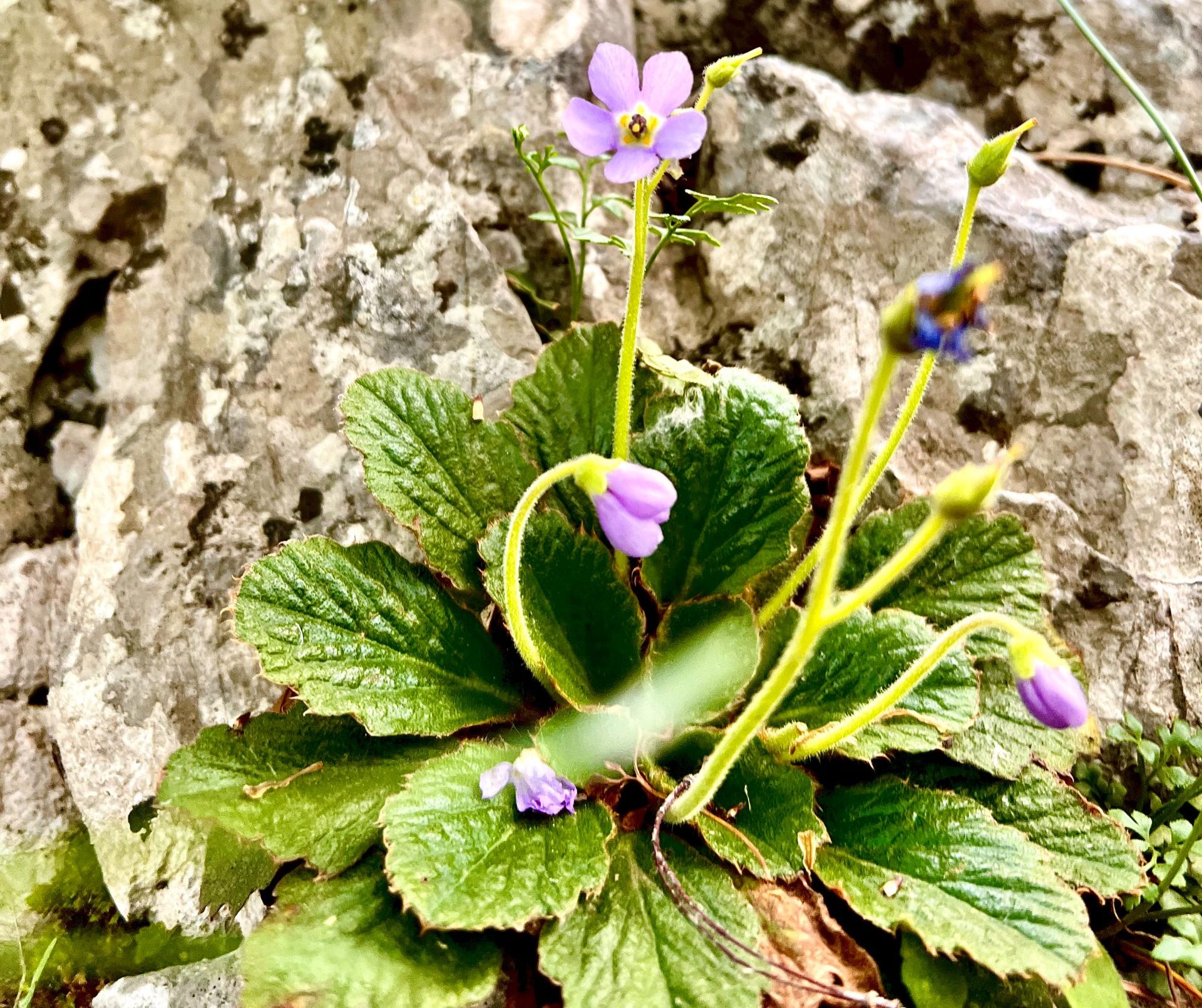
What makes it so special, though, is its incredible resilience. During dry spells, the plant appears lifeless, its leaves shrivelled and grey, blending into the stony backdrop. But don’t be fooled, this hardy survivor has a trick up its sleeve. With the first drops of rain, it springs back to life, its leaves unfurling in a vibrant green display as if waving hello to the moisture.
If you find yourself wandering through the Ostros area of Krajina, you’ll be greeted by the majestic presence of ancient European chestnut trees, known locally as koštanje. Some of these towering giants have stood proudly here for more than 500 years, their thick, gnarled trunks telling stories of centuries past. Their broad, sturdy branches stretch out like welcoming arms, casting cool, dappled shade over the ground below.
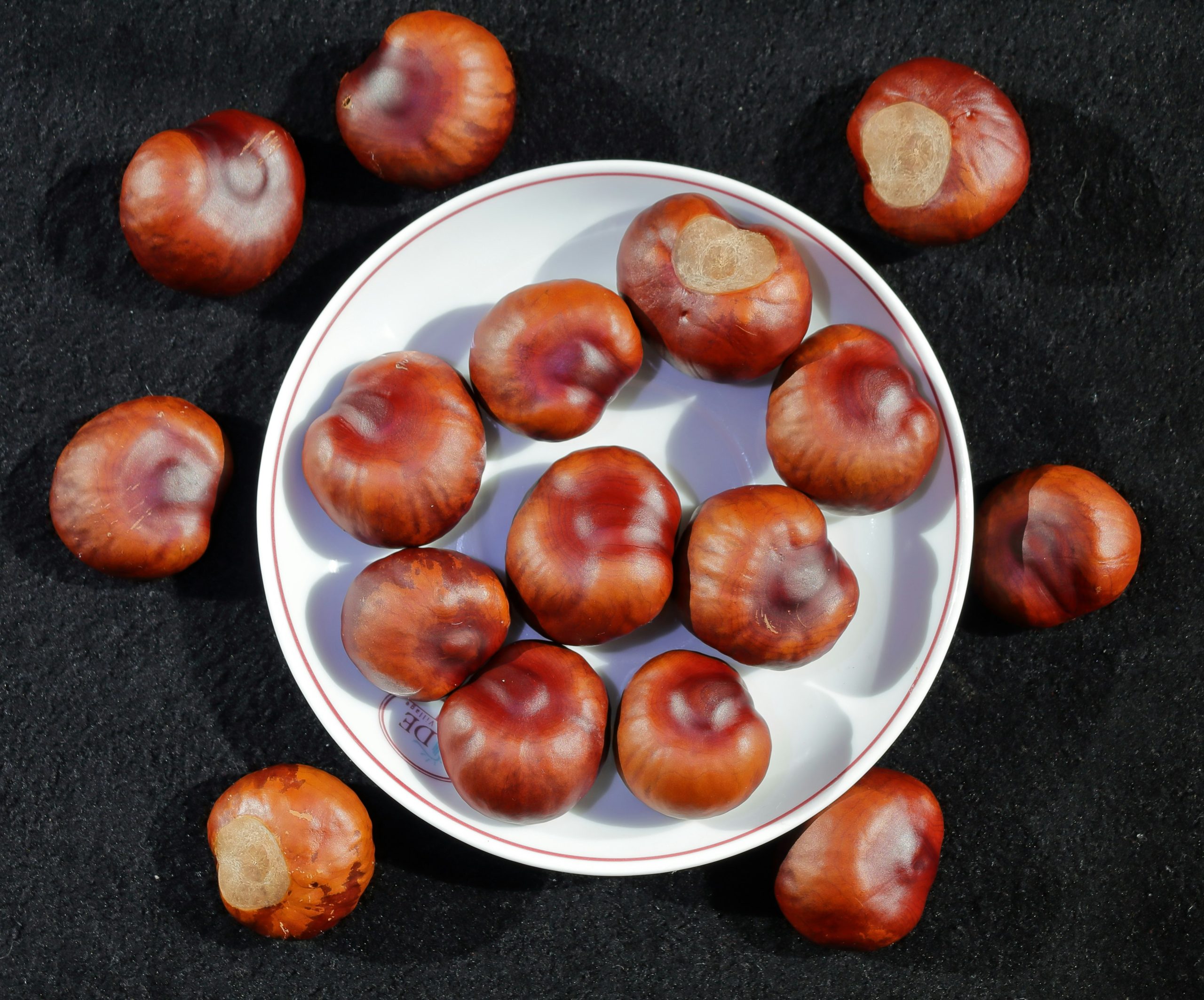
Come autumn, these magnificent trees reward the land with a bountiful harvest of chestnuts, rich, glossy nuts that locals have cherished and gathered for generations. The air fills with the sweet, earthy scent of the chestnuts as they drop, inviting you to taste a true treasure of the region. Walking beneath these venerable trees, you can’t help but feel a deep connection to the past and the natural abundance that has sustained this landscape for centuries.