Let me take you on a journey around the charming rural settlements that hug the shores of Lake Skadar. These little communities are treasure troves of history, preserving the timeless building styles handed down by generations long past.
As you wander along the lake, you’ll notice how the villages and towns nestle close to the water’s edge, their homes almost reaching out to touch the shimmering surface. In spots where the land rises steeply, or the water seems far away, people have cleverly chosen sun-drenched slopes to build their houses, soaking up warmth and light.
Each settlement tells its own story, full of character and life. The old fishermen’s villages, perched right by the water, are especially captivating. Here, you can see the authentic local architecture in all its glory, simple yet full of charm, reflecting a way of life deeply connected to the lake.
Let me introduce you to Virpazar, a little town steeped in history and bursting with stories to tell. Its roots go all the way back to the 13th century, when a settlement first began to form around the river. Back then, small riverboats would glide across the water, carrying people eager to visit the local market.
Even the name Virpazar hints at its origins: "vir" meaning spring, and "pazar" referring to the bustling markets that once drew crowds from near and far.

In those early days, the marketplace was a lively hub, attracting villagers from the surrounding hills. They’d bring their goods, fresh fish, produce, and other essentials, to trade and sell. Over time, this modest riverside settlement blossomed into a key centre for agriculture, trade, and transportation.
But Virpazar wasn’t just a quaint market town. Its strategic importance caught the attention of the occupying Turks, who built a formidable fortress, Besac, on the hill above the town to maintain control. While the fortress still stands today as a reminder of those times, the tides would eventually turn.
After the Turks’ defeat, Virpazar thrived as a trading port, buzzing with activity. In the early 1900s, it even became connected to Bar via Montenegro’s very first narrow-gauge railway, an impressive feat for its time!
Virpazar also holds a proud place in more recent history. During World War II, it became a symbol of resilience, serving as the site of one of Montenegro’s earliest uprisings against the Axis invaders. Two enduring monuments, standing in and above the village, quietly honour this chapter of its bloodstained past.

Today, this quaint town is home to around 300 residents, a far cry from its bustling days. But its charm is undeniable. Three picturesque bridges span the delta where the Oraovštica and Crmnica rivers meet, and high above it all, the medieval fortress Besac keeps watch, a majestic reminder of Virpazar’s rich and layered history.
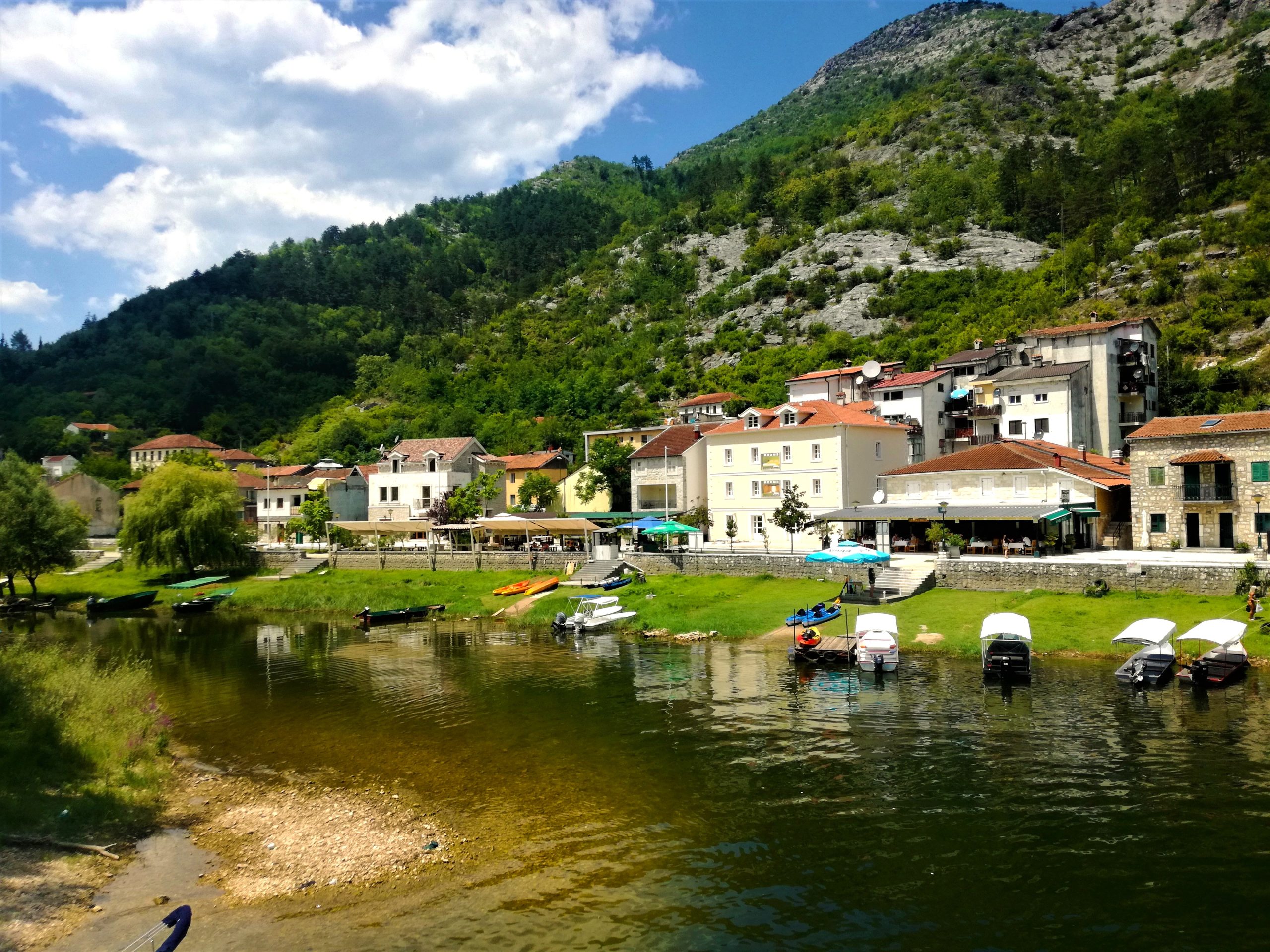
Nestled along the scenic banks of the Crnojevića River lies a settlement that feels like a page out of history, Rijeka Crnojevića. This charming harbour town was established in the late 15th century by Ivan Crnojević, a Montenegrin ruler who moved his capital from Žabljak to the nearby Obod Hill. It was here that he built the city that would bear his name, forever tying the area to his legacy.
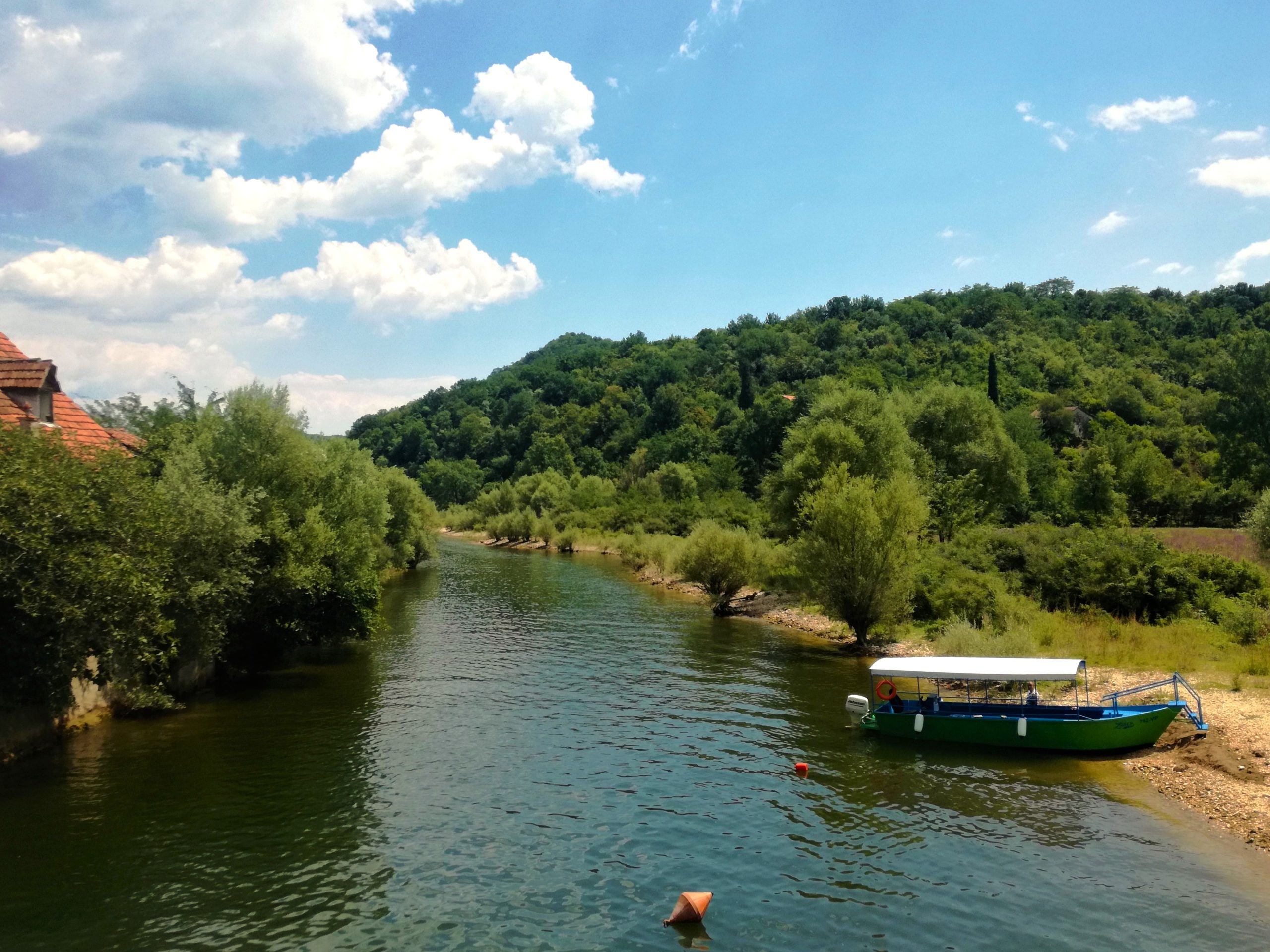
Walking through the village feels like stepping into a time where history and myth intertwine. The narrow stone streets and houses, dating back to the reign of Prince Danilo, whisper tales of the past. This peaceful spot once hosted several members of the Petrović dynasty, who chose it as their summer retreat. Among the most notable landmarks is Lješkovac Castle, a summer residence of King Nikola himself, which still stands as a nod to the area's regal past.
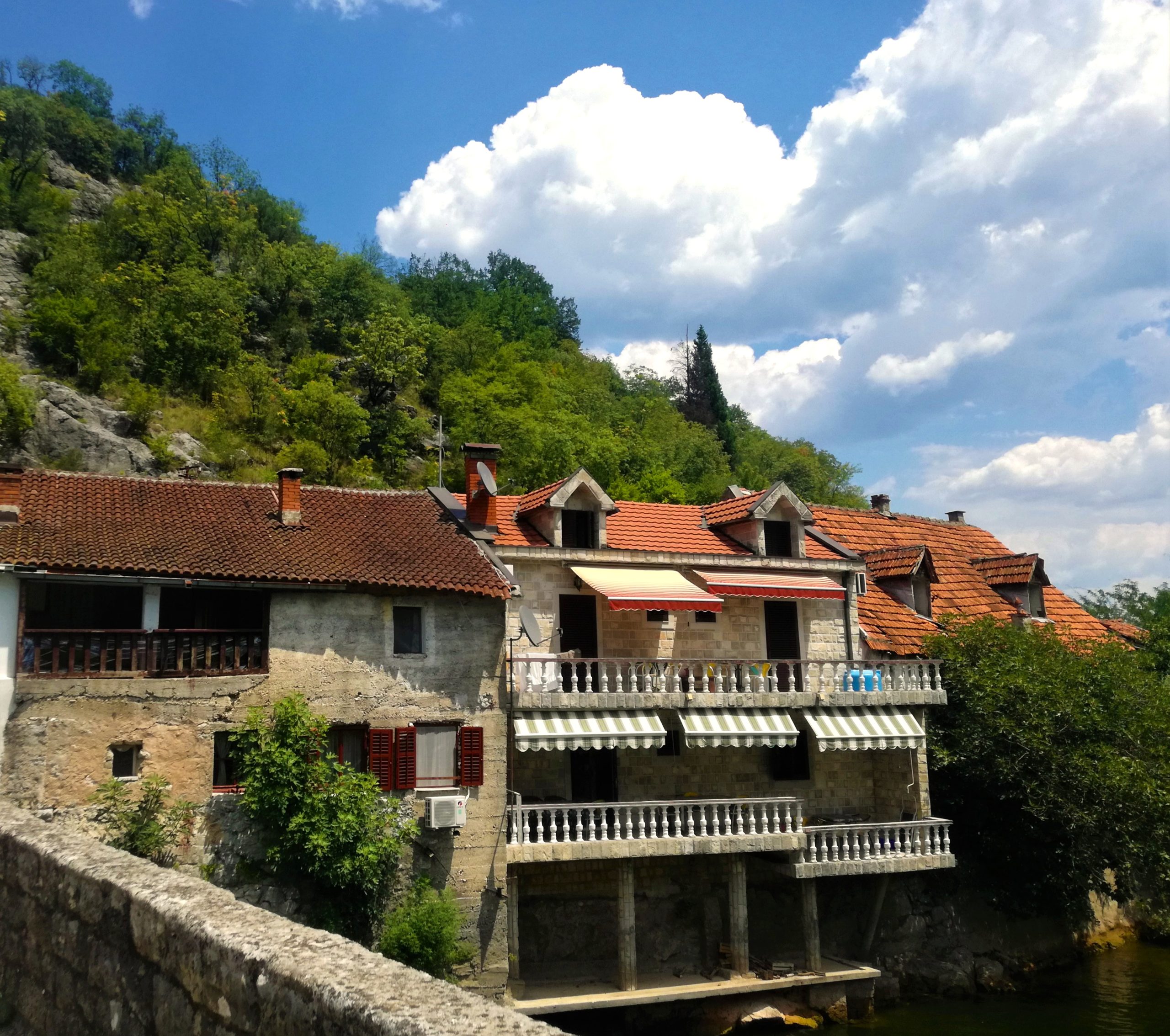
But Rijeka Crnojevića wasn’t just a royal escape; it was a hub of innovation and craftsmanship. The village was home to Montenegro’s first armament factory, where weapons seized from Turkish soldiers were repaired. It also hosted the country’s first pharmacy, a sign of its early importance as a centre for development. Adding a touch of elegance to its history, a pearl factory was established here, producing shimmering pearls from fish scales, a unique craft that set this settlement apart.
Today, Rijeka Crnojevića remains a tranquil gem, its stone buildings and historic landmarks blending seamlessly with the natural beauty of the Crnojevića River, creating a serene escape rich in stories from Montenegro’s past.
Perched along the tranquil shores of Lake Skadar, the settlement of Karuč is a quaint and historic gem. Originally established as a seasonal base to store and protect fishing equipment, it wasn’t until the mid-19th century that this picturesque village became a permanent home for its residents.
At the heart of Karuč, atop its conical hill, stands the Tower of Saint Petar of Cetinje, the settlement’s oldest and most iconic structure. This stone tower, built between the first and second decades of the 19th century, was designed by the revered Prince-Bishop Petar I Petrović as his winter retreat. Its strategic location not only provided a stunning view of the surrounding lake but also made it a sturdy defensive structure during tumultuous times. After Petar's passing, the tower took on a new role as a school in 1871, becoming a place where the next generation could learn and grow.
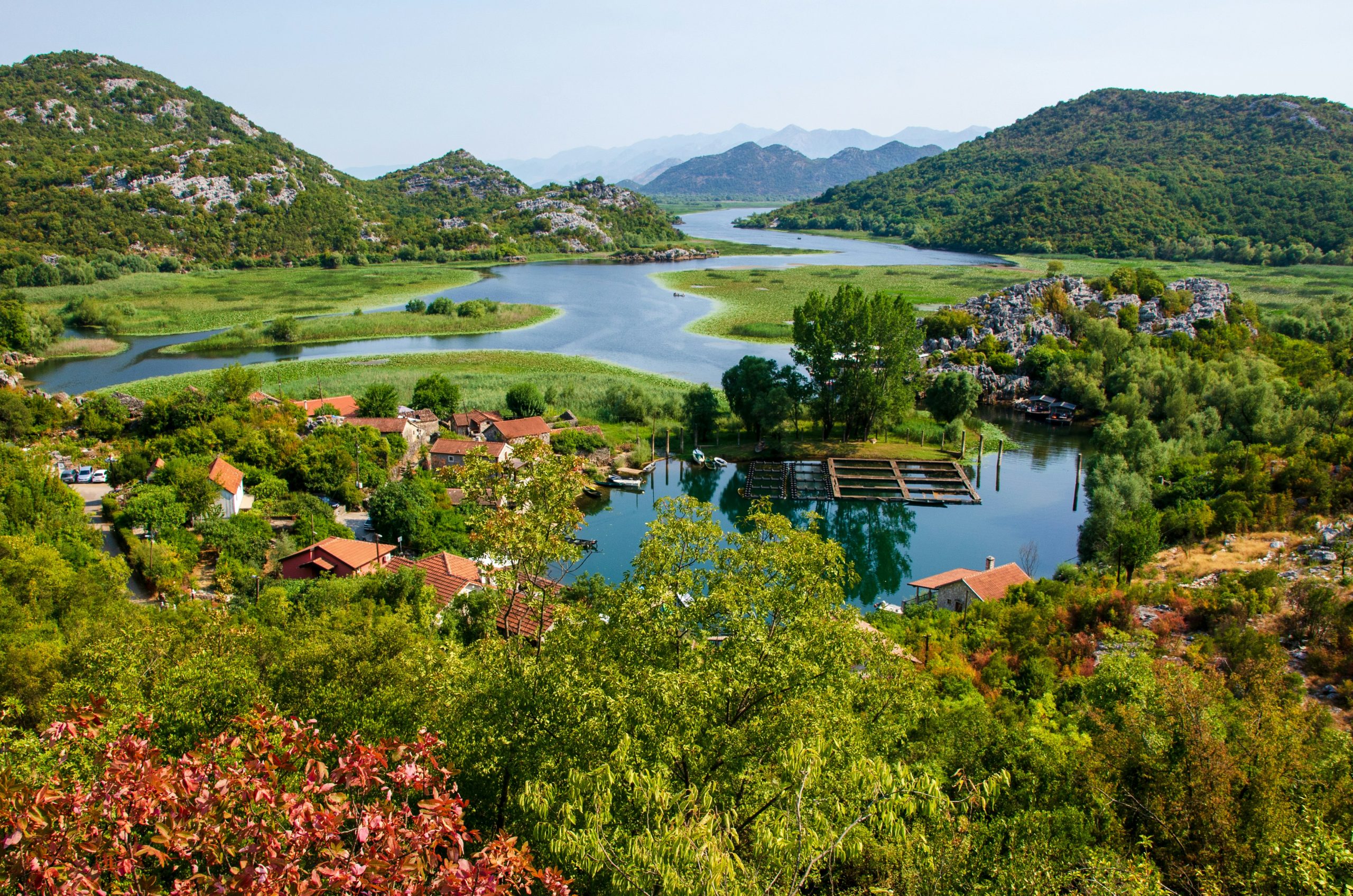
True to its roots, Karuč remains a quintessential fishing village. For centuries, its residents have relied on the lake’s rich fish supply, drawing from natural freshwater wells such as Karuč and Volačka jama, which teem with life. Fishing was more than a livelihood here; it was a way of life, deeply tied to the rhythms of the lake.
Today, Karuč retains its charm as a peaceful retreat steeped in history. With its timeless architecture and serene setting, it’s a place where you can feel the echoes of the past while soaking in the beauty of Lake Skadar’s shimmering waters.
Centuries ago, life along the shores of Lake Skadar was deeply intertwined with the rhythm of the lake. Fishing was the lifeblood of the local economy, and for the people who lived there, it wasn’t just a job; it was a way of life.
Early each morning, fishermen would rise with the sun, ready their traditional wooden boats, and set out onto the calm waters. Armed with nets, hooks, and other handmade fishing gear, they’d spend long, gruelling hours on the lake, braving the intense sun, gusting winds, and rolling waves, all in hopes of returning with a plentiful catch. Fish weren’t just their livelihood but also their main source of nourishment, sustaining families generation after generation.
Interestingly, fishing wasn’t a free-for-all. It followed a structure governed by tribal and fraternal customs, creating a balance between the people and the lake’s resources. The first known fishing code, written in 1735, set clear limits on how much fish could be harvested, ensuring that the lake’s bounty would endure for years to come.

While fishing dominated life here, agriculture also played a role, though it was less about trade and more about survival. The rugged terrain and challenging climate didn’t make farming easy, yet the locals worked small plots of land near their homes to grow staples like corn, wheat, and beans. Livestock, cows, sheep, and goats, were equally important, providing milk, cheese, and meat to sustain their families.
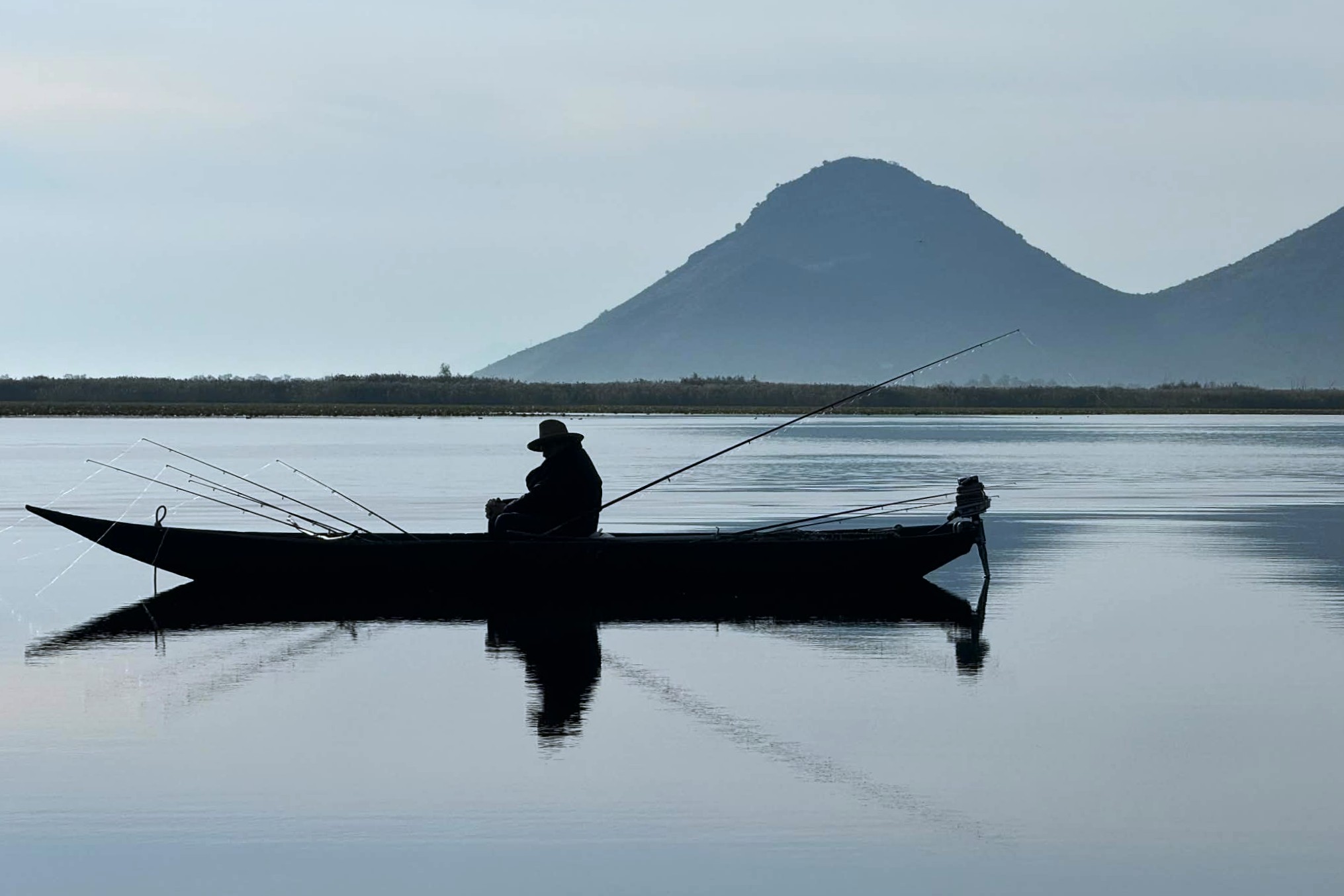
These traditional ways of life, rooted in hard work and a deep respect for nature, have been lovingly passed down through generations. While the world around them has changed, the people living on Lake Skadar’s shores still hold on to these traditions, keeping their connection to the lake and their ancestors alive.
Long ago, the vessels that graced the waters of Lake Skadar were more than just boats; they were lifelines for the people who called this region home. These watercraft, though crafted with simple materials, reveal a quiet sophistication that perfectly mirrors the natural beauty around them. Their sleek forms blend seamlessly with the shimmering lake and the rugged stones along the shore, as if born from the very landscape itself.

Even today, you can find family-run workshops where these traditional boats are lovingly brought to life using time-honoured techniques. Made from fragrant pinewood, each vessel features a sharp, pointed prow known locally as the špirun. This clever design isn’t just for show; it’s perfectly crafted to cut through the dense patches of water lilies and reed fields, making every journey on the lake a smooth and graceful glide through nature’s embrace.