If you ask us why we love guiding tours around Lake Skadar, we’ll tell you it’s because every day here feels like a front-row seat at nature’s greatest bird show. Lake Skadar is truly a birdwatcher’s paradise, and I’ve seen even the most casual visitors turn into enthusiastic bird spotters by the end of a boat ride!
This lake is a haven for birdlife, sheltering an incredible 280 different bird species. That’s right, half of all bird species found in Europe can be spotted right here. The sheer variety is thanks to Lake Skadar’s unique geography and its wonderfully preserved, untouched ecosystems. We can say with pride that this is one of the most vibrant places for birdwatching you’ll find anywhere.
Out of those 280 species, 73 actually nest at Lake Skadar. During the autumn and spring migrations, 18 species make regular pit stops here - think of it as their favourite travel lounge. In winter, 45 species settle in as regular guests, while 12 spend their summers at the lake without nesting. And then 90 species are more unpredictable, dropping by whenever the mood strikes them.
What’s truly fascinating is that for 90% of these birds, Lake Skadar is a vital link between the farthest corners of the world, connecting places as distant as Siberia and Africa. It’s remarkable to think that our small, little corner of the Balkans plays such a significant role in the global migration of so many birds.
As a freshwater wetland, Lake Skadar is essential for waterbirds, who are not only beautiful to watch but also play a crucial role in the ecosystem. They sit right at the top of the food chain, helping to maintain balance throughout the ecosystem.
The most notable aquatic birds belong to the family of pelicans. One of the most distinguished members of this group is the Pelicanus crispus, or the Dalmatian pelican. These birds are recognised for their distinct physical characteristics, including elongated beaks, sizeable throat pouches, and enormous size.
The Dalmatian pelican is primarily found in Lake Skadar, one of the few locations where this species can be observed. Despite being a crucial nesting species, its population in this area remains relatively small. However, the good news is that its numbers have been sustained over time due to favourable natural conditions that support its survival.
| Length: | 160 – 175 cm |
| Wing span: | 280 – 290 cm |
| Weight: | 10,5 – 11,5 kg |
| Habitat: | marshy freshwater lakes |
| Nest: | heaps of twigs and vegetation, on peat |
| Eggs: | 2, white |
| Food: | fish |
| Location: | Pančevo oko |
| Month: | December, January, February, March, April, May, June, July |
| Time: | all day |
Let me introduce you to one of my absolute favourite residents of Lake Skadar, the Dalmatian pelican. If you’ve ever seen one up close, you know they’re truly impressive! These are giant water birds, with striking white plumage that sometimes shimmers with a blue-grey tint in the sunlight.
Their most eye-catching feature is that enormous bill, which can reach about half a meter in length. And just beneath it, there’s an elastic skin pouch, nature’s very own fishing net and, on hot days, a built-in air conditioner! They scoop up fish with it, and it’s also how they feed their young.

Now, despite their massive size, Dalmatian pelicans are surprisingly light. Their bodies are filled with air, which means they float easily and can’t dive deep like some other birds. That’s why you’ll only see them hunting on the surface of the water.
Here’s where teamwork comes in: cormorants, which are expert divers, often join forces with the pelicans. The cormorants dive down and herd fish up to the surface, forming a semicircle, so the pelicans can scoop them up with ease. It’s a real team effort, nature’s version of a fishing cooperative!

And let me tell you, the pelicans have quite the appetite. Each one can eat more than a kilogram of fish a day and can swallow fish up to 45 centimetres long.
In late January, they gather in the Bay of Hum, located within the ornithological reserve Pančevo oko on Lake Skadar, where they find the best nesting sites. Before mating, they engage in courtship displays. The males put on quite a show to impress the females, and once a pair forms, they stick together for life. During this time, the pouch of the chosen female turns a brilliant orange, making her stand out even more among the crowd.
| Length: | 16 – 17 cm |
| Wing span: | 24 – 26 cm |
| Weight: | 35 – 45 g |
| Habitat: | springs, rivers, lakes |
| Eggs: | 6 – 7, smooth, white |
| Food: | aquatic insects, crustaceans |
| Location: | willow trees near water, vegetation |
| Month: | all year |
| Time: | all day |
The Kingfisher is our company’s namesake for a reason: it is a bird that cannot remain unnoticed on Lake Skadar, its brightly coloured feathers make it stand out from all other birds. Adorned with iridescent blue upper parts, a striking orange breast, and greenish hues on its wings, the Kingfisher’s colouration sets it apart from all other avian species in the region.

Its compact body is characterised by a short, square tail and a long, dagger-like bill, features that make identification straightforward even at a distance. The Common Kingfisher (Alcedo atthis) is a year-round resident of Lake Skadar, although its numbers may fluctuate with seasonal and environmental changes.
These birds are notably cautious and exhibit a preference for nesting in concealed locations, such as earthen banks or dense vegetation, where they excavate burrows to protect their broods. Observers may spot Kingfishers perched motionless on overhanging branches, scanning the water below, or witness their remarkable hunting technique: hovering momentarily with rapid wingbeats before plunging headfirst into the lake to seize prey.

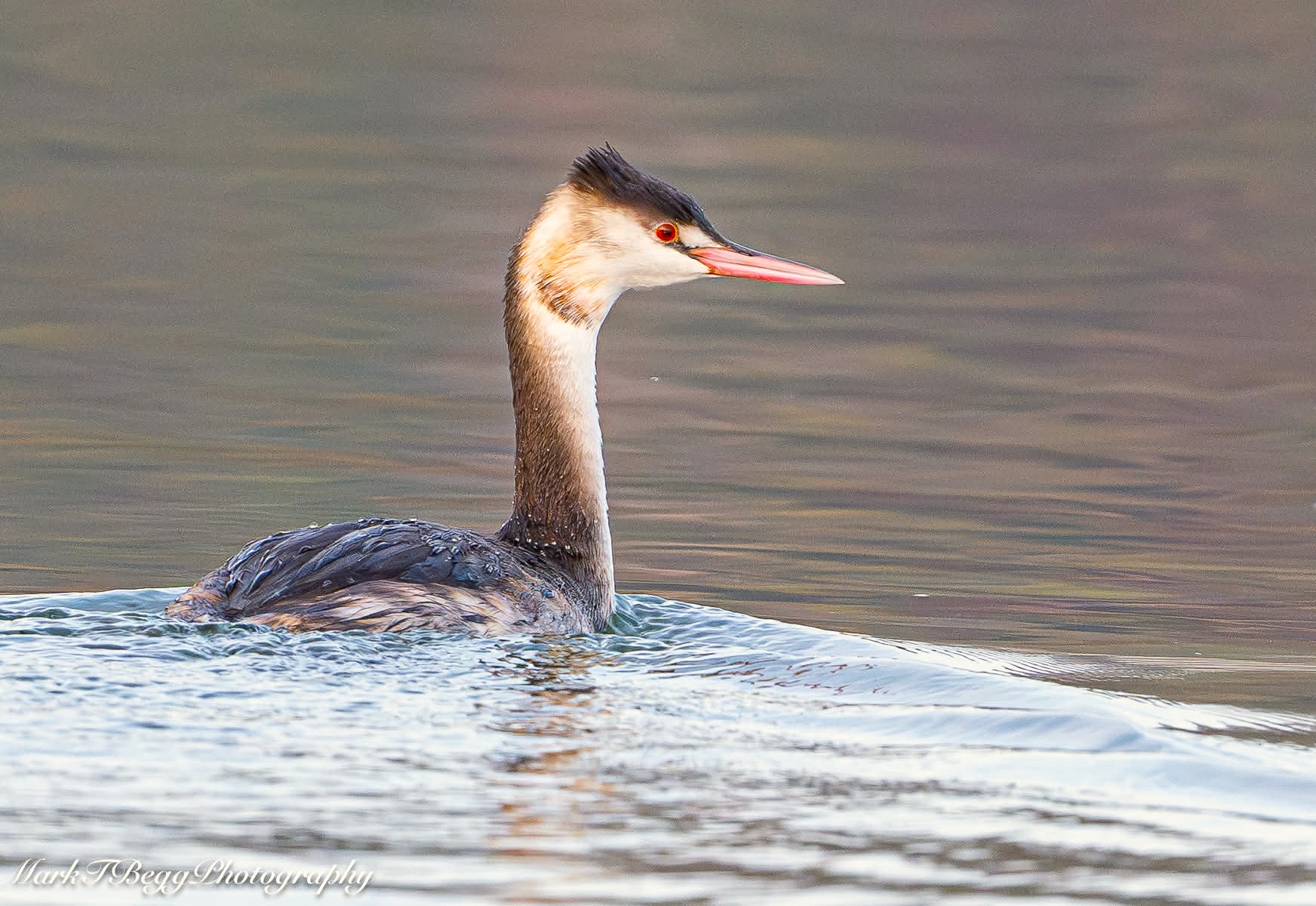
The great crested grebe (Podiceps cristatus) is a commonly found species at Lake Skadar. The little grebe (T. ruficollis) is much more abundant and also a lake resident. Many black-necked grebes (P. nogricollis) can be seen at the lake in winter. Red-necked grebes (P. griseigna) and Slavonian grebes (P. auritius) are not commonly found but occasionally visit the lake during winter.
| Length: | 46 – 51 cm |
| Wing span: | 85 – 89 cm |
| Weight: | 800 – 1400 g |
| Habitat: | freshwater lakes, marshes, bays |
| Nest: | on the ground or in the reeds |
| Eggs: | 3 – 6, white |
| Food: | aquatic insects, molluscs, fish, amphibians |
| Location: | Raduš, open waters, bay of Virpazar |
| Month: | February, March, April, May |
| Time: | all day |
If you’re exploring Lake Skadar and spot a bird with a slender head and a sharp, pointed beak, you’ve likely found the great crested grebe. One of the first things you’ll notice is the dark line that runs from its eye, neatly separating its white face and giving it a very distinguished look. And if you’re searching for its tail, don’t blink, it’s so short, just a few feathers, that it’s easy to miss!
Male great crested grebes are especially striking during the breeding season, showing off their ear tufts around the neck, while the females’ tufts are much less obvious. Their feathers are thick and well-oiled, which not only keeps them looking sleek but also helps them glide smoothly through the water.
One of my favourite sights on the lake is watching grebe parents with their chicks. Both parents are hands-on, taking turns to feed and shelter their young. When it’s time to split up, each parent takes half of the chicks. Talk about teamwork!
The grebe’s legs are set right at the end of its large body, which might look a bit awkward on land, but it’s perfect for their lifestyle. This unique design lets them stand on the edge of their floating nests, swim with ease, and dive with real skill. Their vibrant plumage and that impressive crest are especially eye-catching during the courtship season.
| Length: | 25 - 29 cm |
| Wing span: | 40 - 44 cm |
| Weight: | 140 - 230 g |
| Habitat: | lakes, channels, marshes |
| Eggs: | 4 - 6 white, sometimes reddish |
| Food: | aquatic insects, small fish, shrimps |
| Location: | Raduš, open waters, bay of Virpazar |
| Month: | autumn and summer months |
If you ever spot a tiny grebe gliding quietly across a lake, chances are you’re looking at the little grebe, the smallest member of its family. This charming bird catches your eye with its plump, rounded body, a short, stubby neck, and a petite bill that suits its delicate frame perfectly. During the summer months, its feathers take on a rich, darker shade, but come courtship season, watch closely as its neck feathers lighten, giving it a soft, almost glowing appearance.

Little grebes are quite the shy residents of lakes, often hiding just beneath the shelter of thick vegetation. You might not see them venture far into open water, except towards the end of summer, when they break cover and gather into large, lively flocks. It’s a fascinating shift, as these little birds come together in numbers after spending much of the year tucked away in their leafy hideouts.
Their presence isn’t always constant, though. The number of little grebes can rise and fall from year to year, creating a natural ebb and flow in their populations that keeps birdwatchers guessing.
The most common bird species in the area is the pygmy cormorant (Phalacrocorax pygmaeus). Another bird species that lives here year-round but is less common is the great cormorant (P. carbo). During the winter, the number of cormorants increases due to the arrival of birds that migrate from the north. The rarest bird species in the area is the shag (P. aristotelis), which is usually found on the rocky southern shores of the lake.
| Length: | 80 - 100 cm |
| Wing span: | 130 - 160 cm |
| Weight: | 2,5 - 3,5 kg |
| Habitat: | lake shores |
| Nest: | heaps of twigs and water plants, in trees or reeds |
| Eggs: | 3 - 4, chalk-white |
| Food: | fish, especially eel |
| Location: | ornithological reserves: Pančevo oko, Crni žar and Manastirska tapija; Ckla Grmožur, Raduš, Rijeka Crnojevića |
| Month: | from April to June, and from October to February |
| Time: | all day |
Let me introduce you to one of the striking residents you might spot around Lake Skadar, the great cormorant. At first glance, this bird looks almost entirely black, but if you take a closer look, you’ll notice its upper body is cloaked in an oily greenish-brown plumage that shimmers with a metallic sheen, giving it a fascinating scaly texture. Its neck, touched with a splash of bright yellow, offers a sharp contrast to the darker feathers. Watching it fly is a graceful sight: with slow, deliberate wingbeats, these birds often travel in neat chains, gliding together as if in perfect harmony.

Despite their impressive size and weight, great cormorants have a subtle elegance. On Lake Skadar, they’ve made a cosy home in a protected ornithological reserve, where a bustling colony thrives. It’s interesting to know that for years, local fishermen saw them as competitors and tried to chase them away, causing their numbers to dwindle. But nature had other plans!
The lake’s environment turned out to be just right for these birds, and today, about 1,500 pairs nest here comfortably. When winter arrives, the scene becomes even more spectacular as flocks from the cold north join the locals, swelling their numbers into the tens of thousands. Thanks to tracking from ringed birds, we know these winter visitors come all the way from the farthest reaches of northern Europe, a true seasonal migration marvel.
Life for the great cormorant is a team effort, especially when it comes to raising chicks. Both parents pitch in, sharing the job of feeding their young. Watching the chicks get their meals is quite a sight; they poke their heads deep into their parents’ throats to receive food. When they dive, they do so headfirst, plunging straight down into the water with remarkable precision.
| Length: | 45 - 55 cm |
| Wing span: | 80 - 90 cm |
| Weight: | 600 - 750 g |
| Habitat: | marshy lakes |
| Nest: | in trees or reeds, on the ground |
| Eggs: | 3 - 7, light green with whitish shell |
| Food: | fish, crustaceans, molluscs |
| Location: | ornithological reserves: Pančevo oko, Crni žar |
| Month: | from April to June, and from October to February |
| Time: | all day |
The pygmy cormorant is a truly special bird, not just because it’s rare and endangered, but because they often blend seamlessly into colonies of other water birds, making their presence a delightful surprise for keen observers. So important are they that they’re listed in both the World and Regional Red Books, marking them as species in need of our care and protection. And here at Lake Skadar, you’ll find one of the largest and most vital pygmy cormorant colonies, with around 1,500 nesting pairs calling this place home.

Looking at these charming birds, you’ll notice that males and females are almost mirror images of each other. They have short, neat heads and necks, paired with a long tail that really catches your eye when they take flight, fanning out in a graceful display. Their plumage is mostly dark, giving them a sleek silhouette, but their heads carry a warm chocolate-brown hue that adds a gentle splash of colour to their appearance.

Pygmy cormorants are true social creatures, nesting together in close-knit colonies, which makes spotting them all the more rewarding. On Lake Skadar, their largest colony thrives, creating a lively community where you might see these birds gliding smoothly across the water, diving expertly in search of food, or perched on dry branches with their wings stretched wide to dry and soak up the sun.
Globally, herons are an endangered species due to habitat destruction, nest disturbance, hunting, and sensitivity to water pollution. The most common and largest heron species in this area is the grey heron (Ardea cinerea), with around 100 pairs nesting on Lake Skadar. The purple heron (A. purpurea) is similarly abundant, nesting in dense reed stands and other wetland vegetation that are difficult to access.
Both the little egret (Egretta garzetta) and the squacco heron (Ardeola rolloides) have sizable populations, with breeding sites that have yet to be located on Lake Skadar. The great white egret (Egretta alba) is the most globally endangered species. The bittern (Botaurus stellaris), which inhabits the dense marshes of the lake, is relatively uncommon. In contrast, the little bittern (Ixobrychus minutus) is far more abundant. The night heron (Nycticorax nycticorax) is common during spring migrations.
| Length: | 60 - 65 cm |
| Wing span: | 105 - 110 cm |
| Weight: | 550 - 700 g |
| Habitat: | marshes |
| Nest: | in colonies, mostly on trees or bushes |
| Eggs: | 3 - 5, light blue |
| Food: | fish, amphibians, small mammals and insects |
| Location: | Plavnica; ornithological reserves: Pančevo oko, Crni žar |
| Month: | from March to June |
| Time: | all day |
The night heron is one of the more mysterious visitors to Lake Skadar. These birds have a captivating look that’s hard to forget: picture a sleek black bill, a striking white tuft that stands out like a little crown, and large, glowing red eyes that seem perfectly designed for their nocturnal lifestyle. Their backs are a deep black, contrasting beautifully with soft grey wings, while their short, yellowish legs peek out just enough to support their quiet, graceful movements.

Night herons are summer guests here, usually arriving around March and sticking around until September. Most night herons make a long journey to tropical Africa for the winter, though a few hardy souls choose to stay closer to home in the Mediterranean. But during their time at Lake Skadar, catching a glimpse of them feeding at dusk is like peeking into a hidden world, a quiet, shadowy performance that adds a touch of magic to the lake’s summer nights.
| Length: | 85 - 102 cm |
| Wing span: | 140 - 170 cm |
| Weight: | 1 - 1,5 kg |
| Habitat: | extensive marshes and large lakes overgrown in reeds |
| Nest: | colony, heap of twigs, or bushes |
| Eggs: | 3 - 5, light blue |
| Food: | fish, amphibians |
| Location: | lake shores along the zone under vegetation |
| Month: | from October to January |
| Time: | all day |
The great white egret is a truly elegant and rare bird with a story that’s both beautiful and bittersweet. These graceful creatures, with their pure white feathers and slender forms, once faced a dark chapter in history. Back in the late 19th century, they were hunted relentlessly for their stunning plumes, which adorned the hats of European nobility. Imagine those delicate feathers, once symbols of fashion and status, coming at such a high cost.
Sadly, the great white egret population never quite bounced back from that harsh period. But here’s the hopeful part: in recent years, careful monitoring has revealed a slow but encouraging rise in their nesting numbers. It’s as if these birds are quietly reclaiming their place in the skies, reminding us of resilience and the promise of new beginnings. Spotting a great white egret today is witnessing a living piece of history, shimmering with grace and strength.
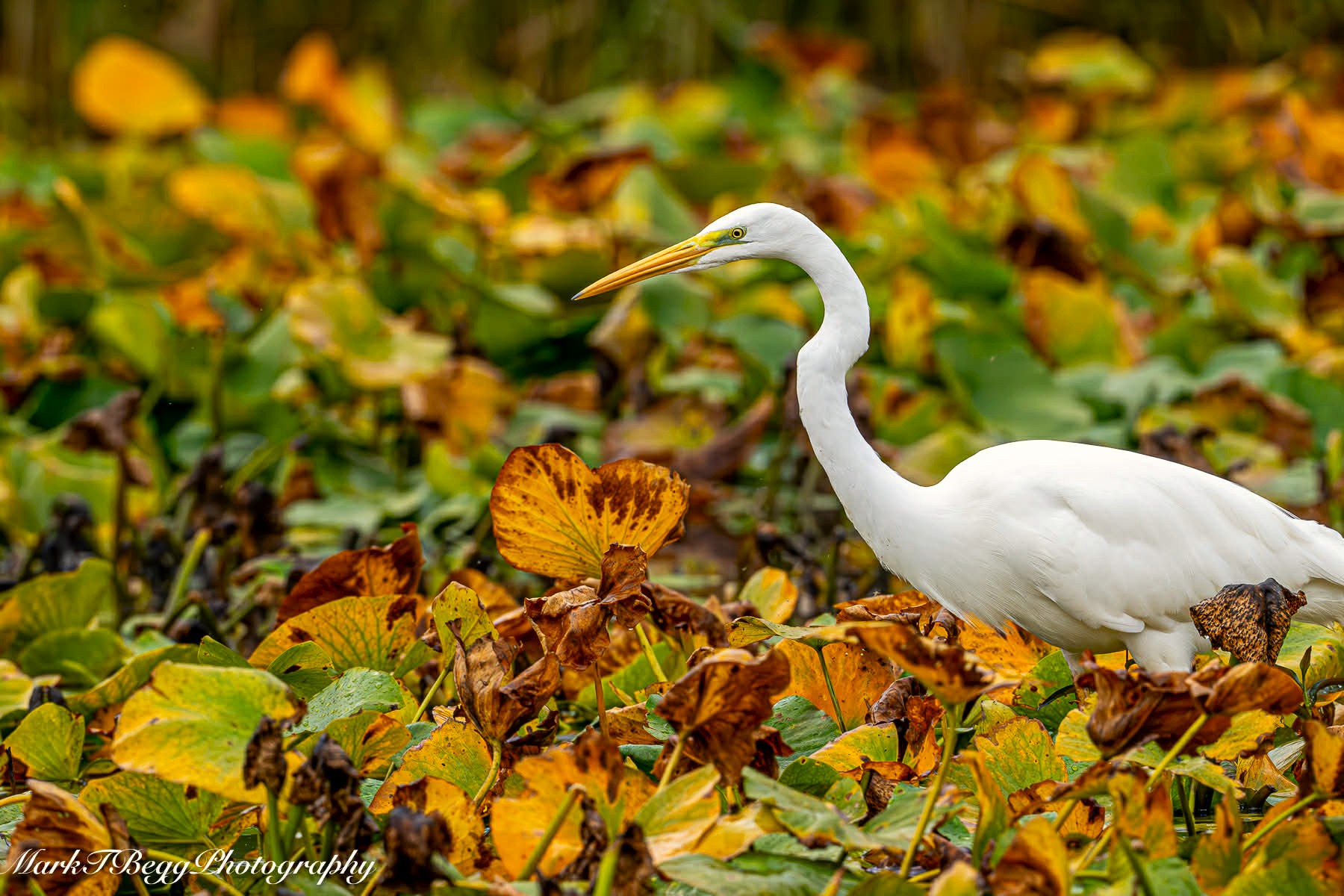
Picture the great white egret soaring gracefully through the sky, its long, broad wings stretching wide like delicate sails catching the wind. As it glides, you’ll notice its legs trailing behind like elegant ribbons, adding to its effortless beauty. The egret tucks its head and neck close to its body, creating a sleek, streamlined silhouette against the sky.
Its feathers are a dazzling pure white, a vital feature since it spends much of its busy day wading through shimmering waters. That crisp whiteness doesn’t just look stunning, it helps the egret blend with the bright reflections and stay sharp as it hunts.

While great white egrets often nest in bustling colonies, they actually prefer quieter moments, choosing to stick to themselves or gather in small, intimate groups.
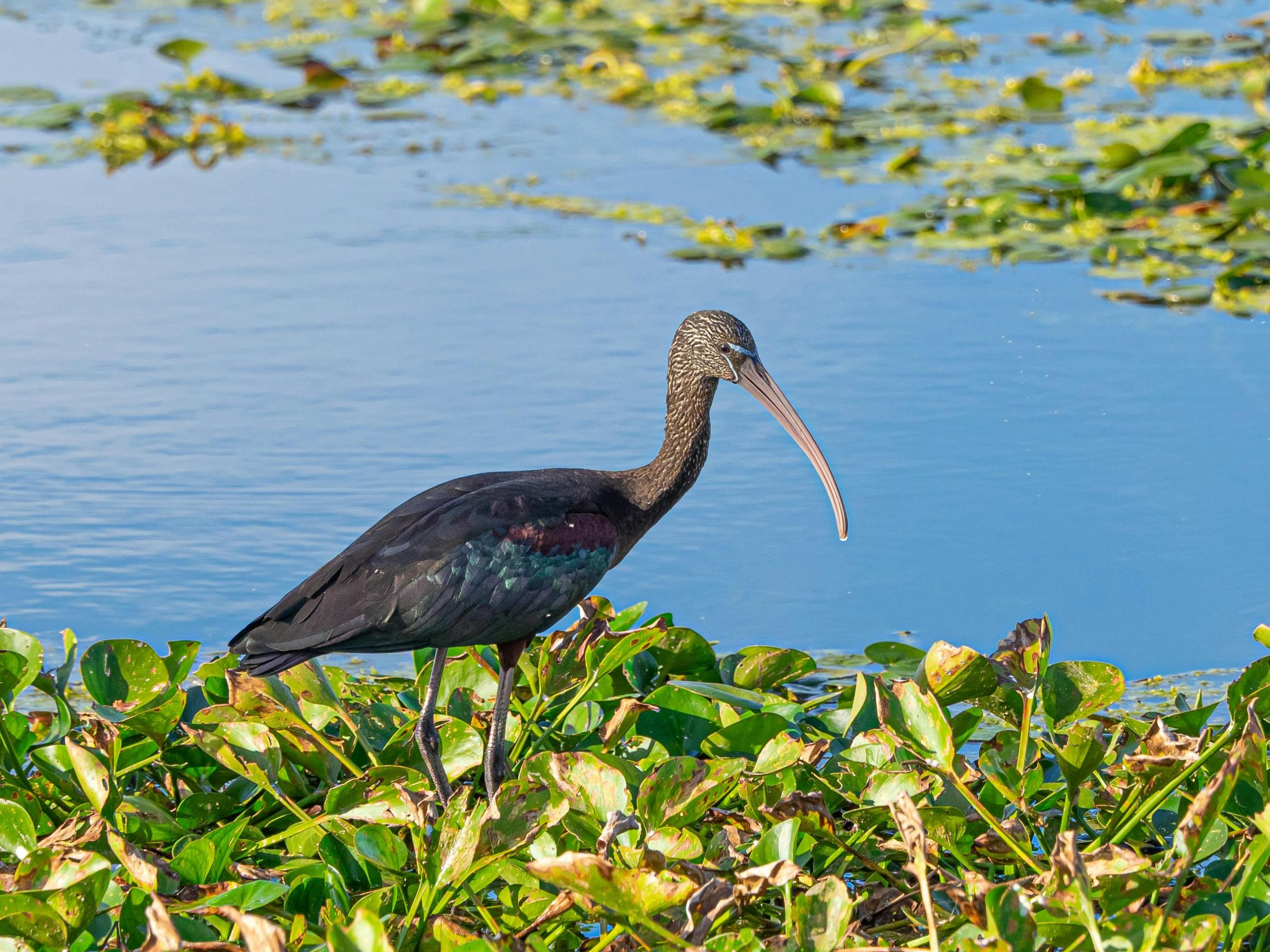
The spoonbill (Platalea leucorodia) and the glossy ibis (Plegadis falcinellus) are considered rare and endangered species and are protected throughout Europe. During their migrations, a limited number of both species can be spotted on Lake Skadar.
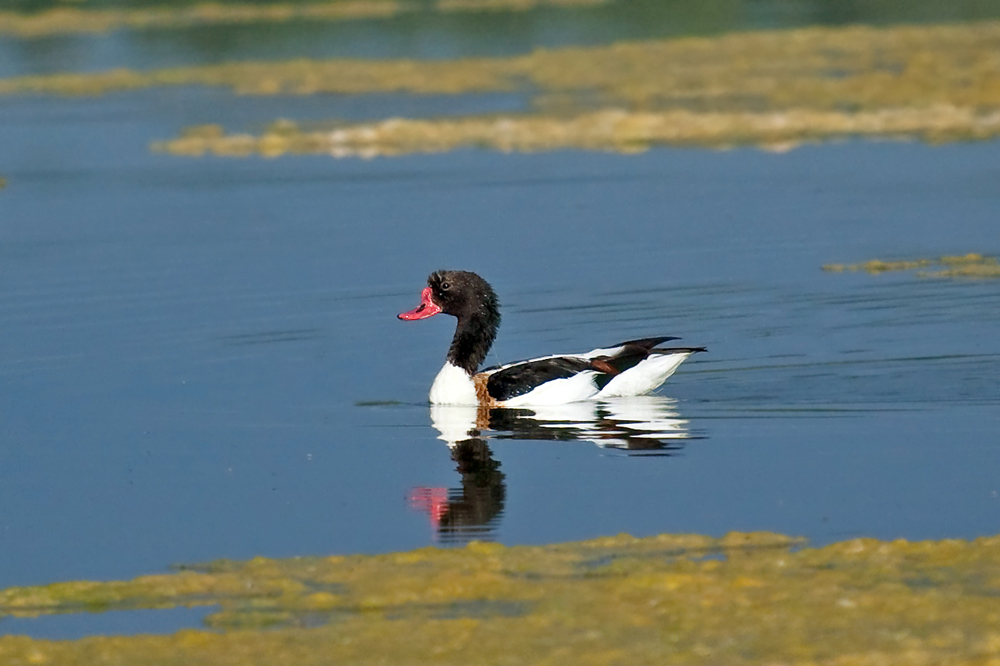
Forty-seven species in Europe make up this large family. Many of these species are migratory, so aside from the autochthonous species, they fly to Lake Skadar for overwintering. Even though they are rare visitors, all these waterfowl are protected, including the shelduck (Tadorna tadorna), which winters on Lake Skadar in small numbers and irregularly.
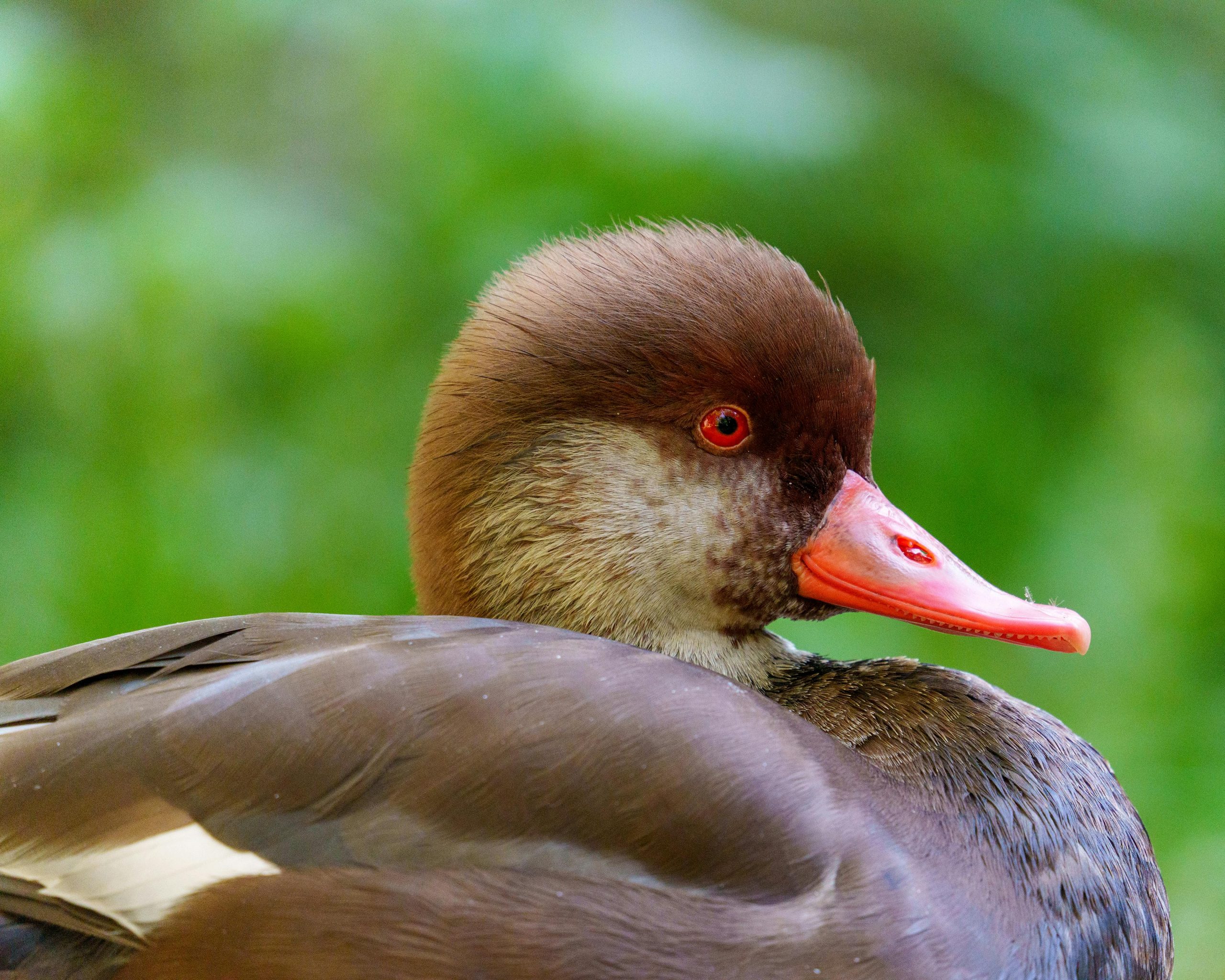
The red-crested pochard (Netta rufina) is a regular winter visitor, but in small numbers. Both velvet scooters (Mellanita fusca) and common scoters (Mellanita nigra) are also rare and not abundant during wintering. Long-tailed ducks (Clangula hymalis) are also irregular winter visitors.
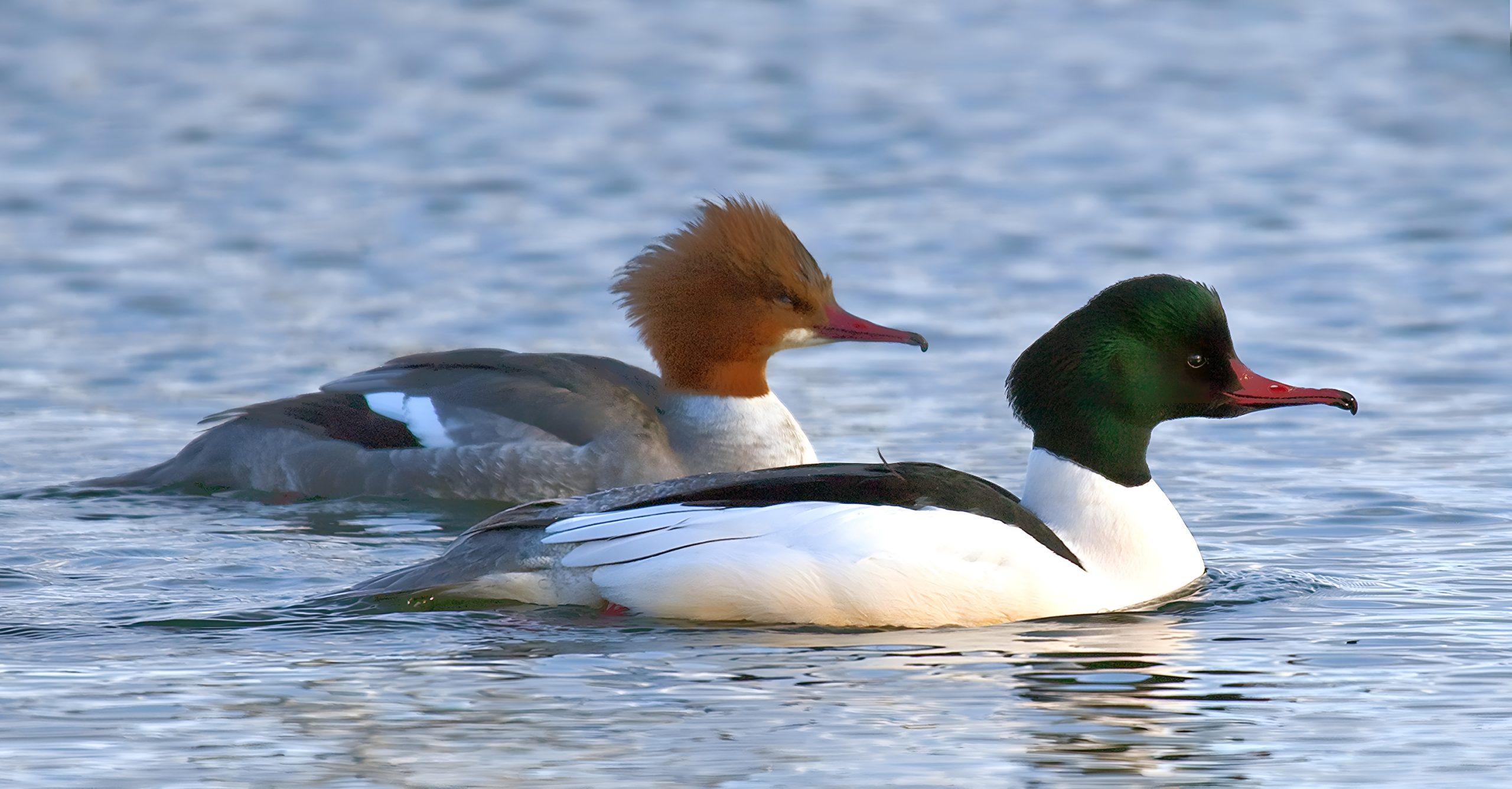
Goosander (Mergus merganser), red-breasted merganser (Mergus serrator), and smew (Mergus albellus) are divers that belong to this family. All three species regularly winter on Lake Skadar, but their populations are thinning out and endangered, although they have no essential role in maintaining the ecosystem balance.
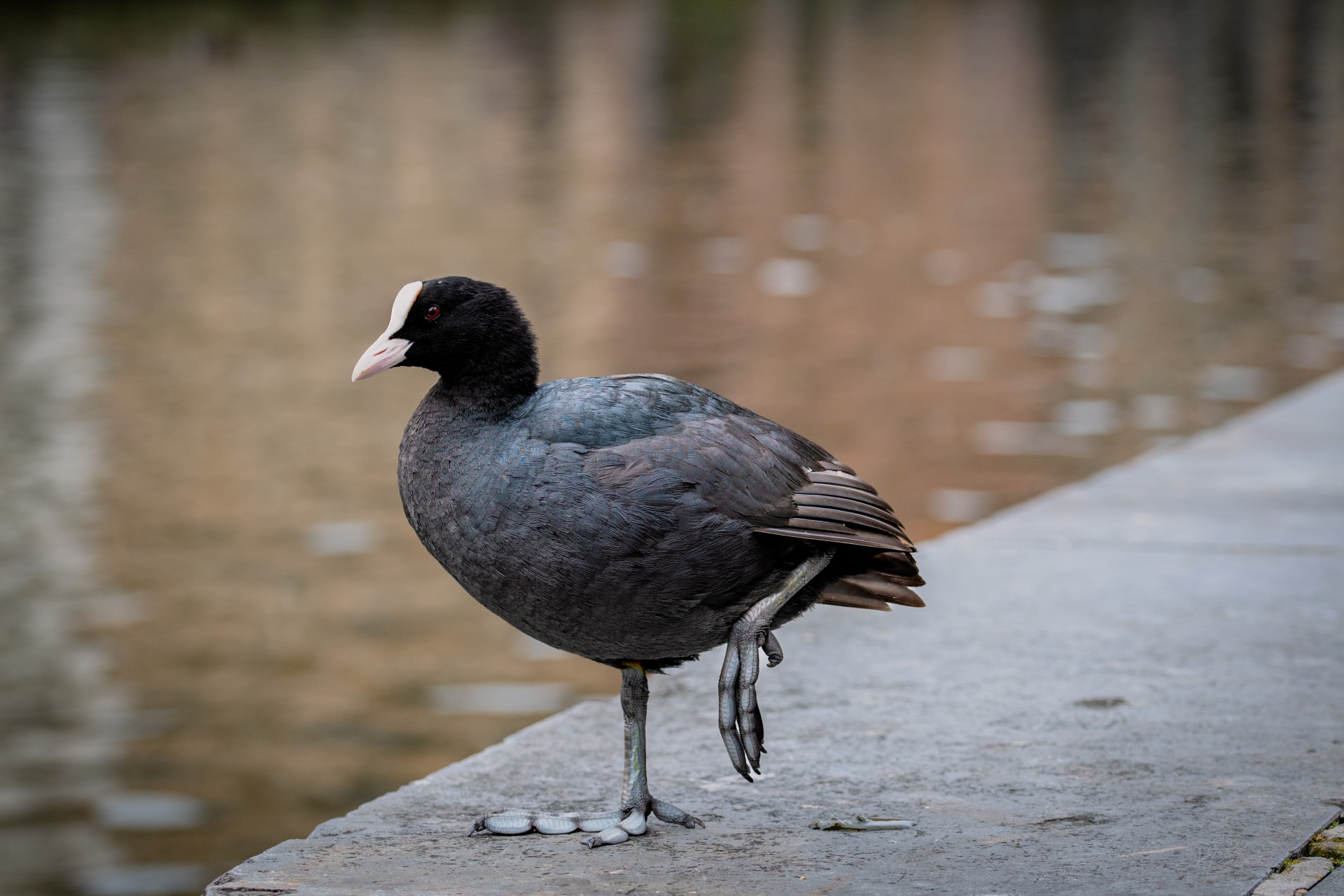
Coots (Fulica atra) and moorhens (Gallinula chloropus) are plentiful residents. Water rail (Rallus aquaticus) is also common during migration, but the corncrake (Crex crex) findings on Lake Skadar are not trustworthy. Spotted crake (Porzana porzana) and little crake (Porzana parva) are also in small numbers - the spotted crake nests on Lake Skadar.
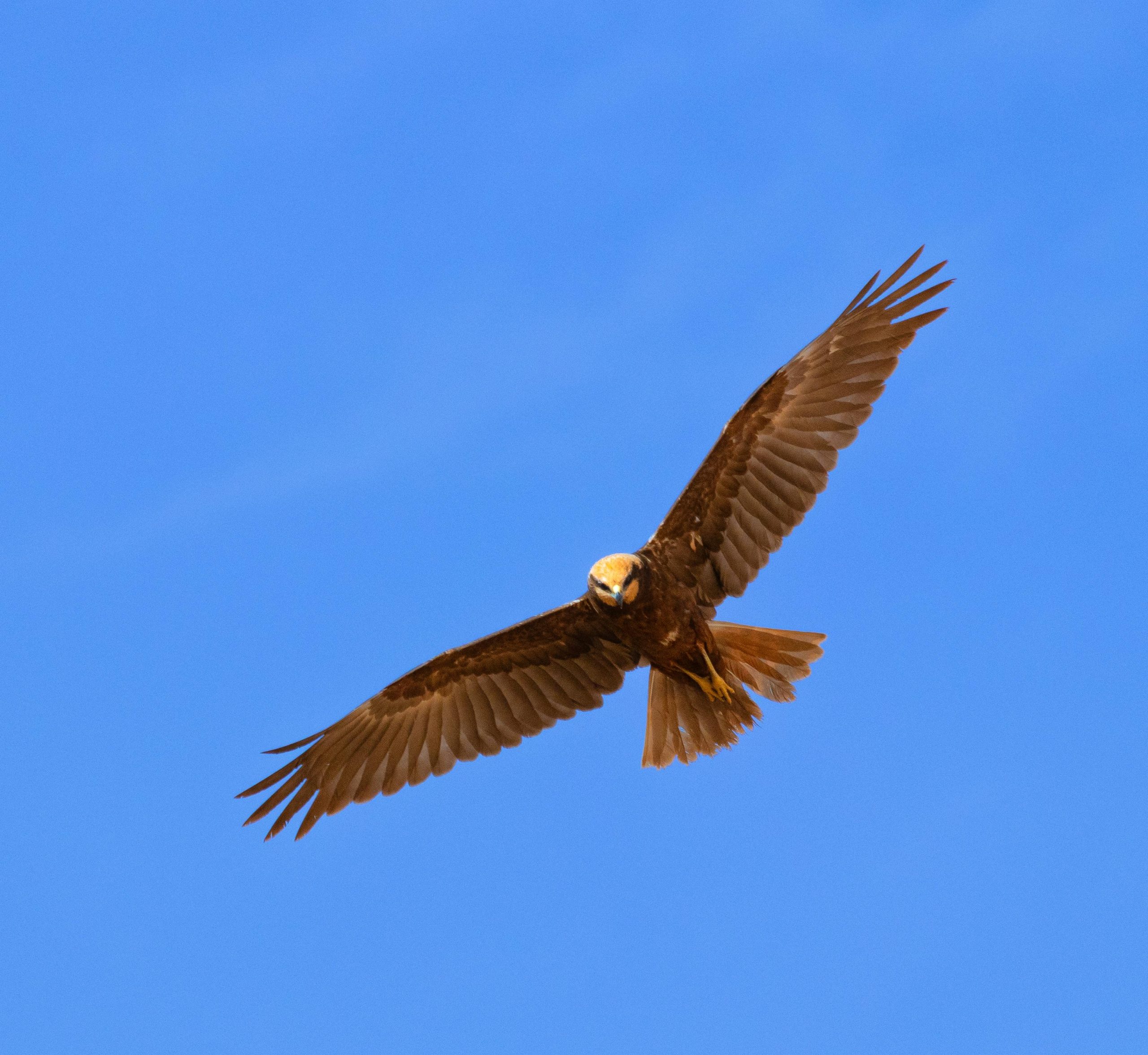
The Marsh harrier (Circus aeruginosus) is a rare and endangered bird that nests in the spacious and densely overgrown reed beds of Lake Skadar. Its natural habitat provides a safe and suitable environment for it to thrive.
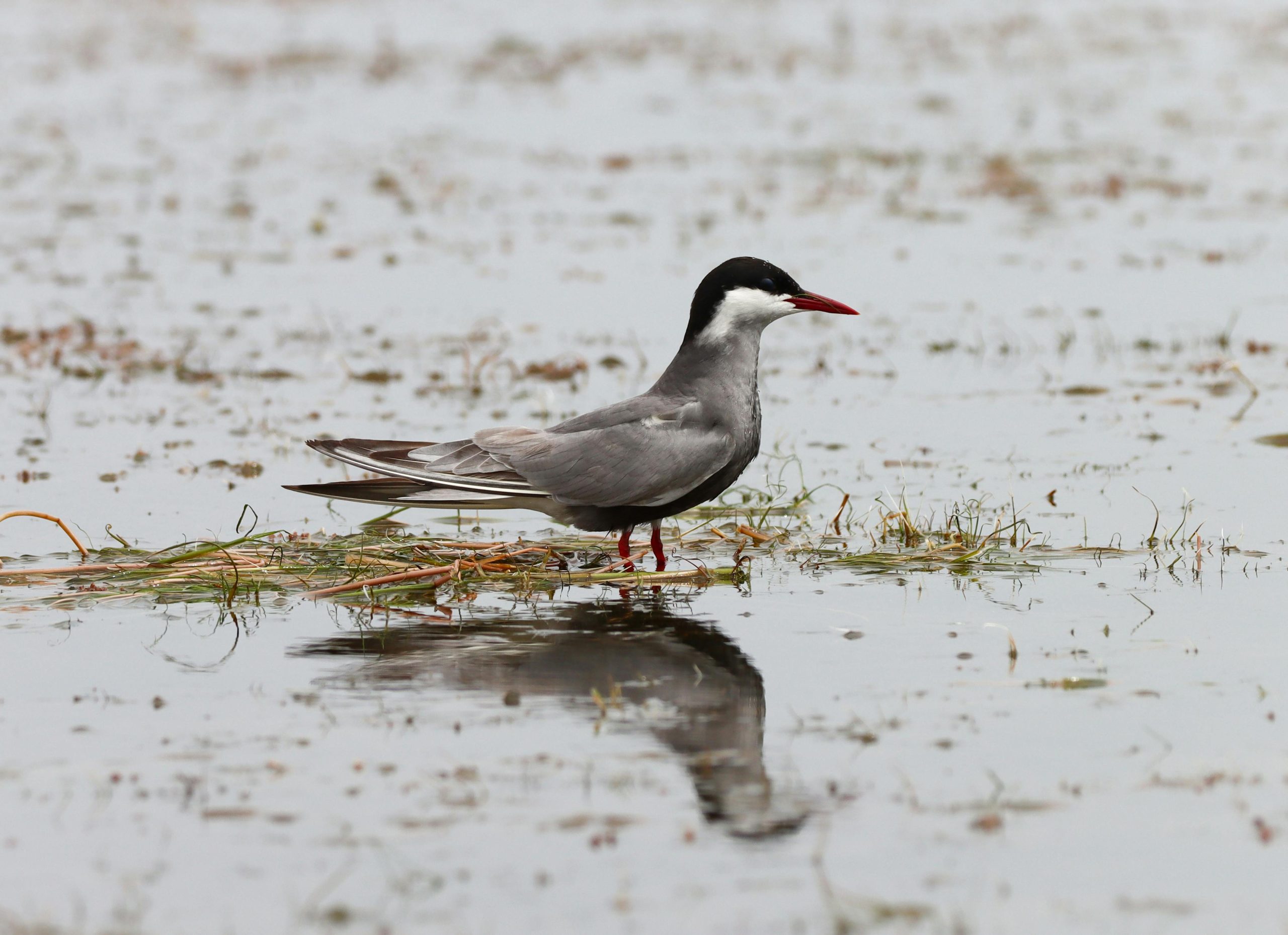
The lake has frequent and sizable nests of common terns (Sterna hirundo) and whiskered terns (Chlidonias hybrida). Little terns (Sterna albiforns) often visit the lake. During spring migrations on Lake Skadar, black terns (Chlidonias niger) and white-winged black terns (Chlidonias leucopterus) are commonly seen.